
Introduction
Over 91% of web pages receive zero organic traffic from Google. The main reason? A weak backlink profile that search engines ignore. Without proper backlink tracking, you’re building links blindly and wasting resources on strategies that don’t move the needle.
Backlink tracking is the foundation of modern SEO success. It reveals which links boost your rankings, which harm your site, and where your competitors gain an edge. When you monitor backlinks consistently, you protect your domain authority and identify growth opportunities before rivals do.
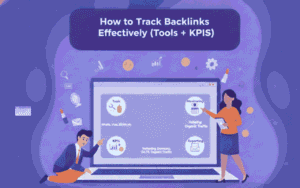
This guide walks you through everything you need to know about backlink tracking in 2026. You’ll learn what tools work best, how to analyse link quality, and which metrics predict ranking success. By the end, you’ll have a repeatable system to grow authority and drive measurable traffic.
Search engines update algorithms constantly. Link tracking keeps you ahead of penalties and rewards you for quality over quantity. Let’s explore how to turn backlink data into competitive advantage.
What is Backlink Tracking
Backlink tracking is the process of monitoring and analysing external links pointing to your website. It involves identifying new links, checking their quality, and measuring their impact on search rankings. Modern tracking tools update link data daily and alert you to changes.
A backlink is created when another site links to your content. Not all backlinks are equal. Links from authoritative domains pass more SEO value than low quality directories. Tracking helps you focus on building links that actually improve rankings.
Backlink tracking tools crawl the web to discover new links and monitor existing ones. They provide metrics like domain authority, anchor text distribution, and link placement. This data reveals whether your link profile supports or harms your SEO goals.
Why Backlink Tracking Matters for SEO Success
Backlink tracking protects your site from penalties and maximises ROI from link building campaigns. Google’s algorithms use backlinks as trust signals. If you don’t monitor your link profile, toxic links can trigger manual actions or algorithmic demotions.
Tracking helps you identify broken backlinks before they hurt user experience. When a high authority site links to a dead page, you lose valuable link equity. Monitoring alerts you to broken links so you can redirect URLs and preserve SEO value.
Competitor backlink analysis reveals untapped link opportunities. When you track where rivals earn links, you discover guest posting opportunities, directories, and partnerships you can replicate. This shortcut accelerates authority building without starting from scratch.
Link velocity tracking shows whether your growth is natural or suspicious. A sudden spike in backlinks can trigger spam filters. Steady, consistent link growth signals organic authority and keeps your site safe from algorithmic scrutiny.
How Backlink Tracking Tools Work
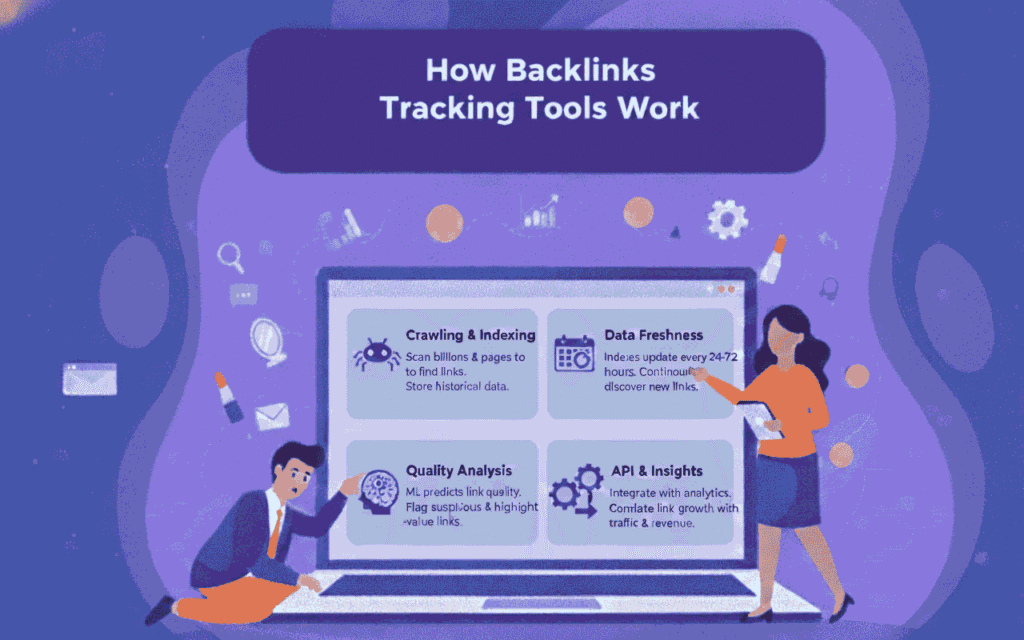
Backlink tracking tools use web crawlers to scan billions of pages and identify links pointing to your domain. They store historical data so you can compare link profiles over time. Most tools update indexes every 24 to 72 hours.
Crawlers follow links from known pages and discover new ones continuously. When a crawler finds a link to your site, it records the source URL, anchor text, and surrounding content. This information is processed to calculate authority metrics and spam scores.
Advanced tools use machine learning to predict link quality. They analyse patterns like editorial context, link placement, and site reputation. These algorithms flag suspicious links and highlight high value opportunities you should pursue.
API integrations let you connect backlink data with analytics platforms. You can correlate link growth with traffic increases and revenue changes. This integration transforms raw link data into actionable business insights.
Best Practices for Effective Backlink Tracking
Set up automated monitoring to receive alerts when new backlinks appear. Daily notifications keep you informed about brand mentions and competitor activity. Automated tracking saves hours compared to manual checks and ensures you never miss important links.
Segment your backlinks by quality tier to prioritise outreach and disavow efforts. Create categories like premium, standard, and toxic based on domain authority and relevance. This organisation helps you allocate resources to the links that matter most.
Track anchor text distribution to maintain a natural link profile. Over optimisation of exact match anchors triggers spam filters. Aim for a mix of branded, generic, and keyword rich anchors that mirrors organic link patterns.
Monitor link velocity alongside rankings to identify cause and effect relationships. If rankings improve after gaining links from specific sources, replicate that strategy. If rankings drop after a link spike, investigate for toxic or artificial patterns.
Document every link building campaign with tracking tags and notes. Record outreach emails, response rates, and link placement details. This documentation helps you refine strategies and prove ROI to stakeholders.
Common Backlink Tracking Mistakes to Avoid
Relying on a single tracking tool creates blind spots in your data. Different tools have different crawl frequencies and index sizes. Use at least two platforms to cross reference data and catch links other tools miss.
Ignoring lost backlinks is a critical error that drains authority over time. Sites remove links due to content updates, redesigns, or policy changes. Track lost links monthly and reach out to restore valuable connections.
Treating all backlinks equally wastes time on low impact links. A single link from a major news site provides more value than 100 directory listings. Focus tracking efforts on high authority domains that drive measurable results.
Failing to disavow toxic backlinks exposes your site to penalties. Spam links from hacked sites, link farms, or irrelevant niches damage trust signals. Regular audits and proactive disavowal protect your rankings from negative SEO attacks.
Overlooking internal link tracking limits your SEO potential. Internal links distribute authority across your site and improve crawl efficiency. Track internal link structure to identify orphaned pages and optimise link flow.
Top Backlink Tracking Tools and Resources
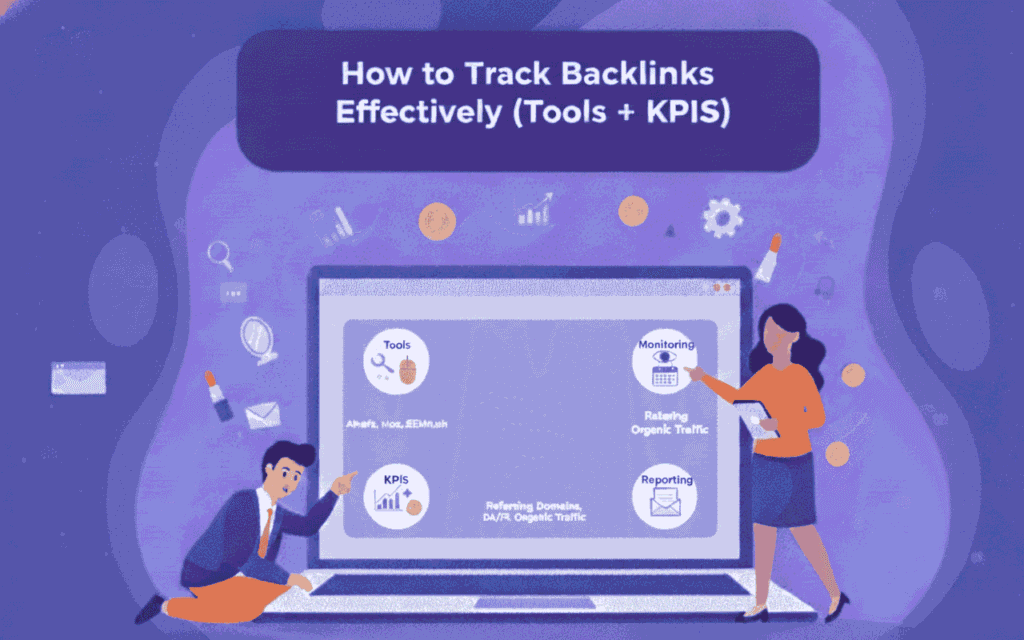
Ahrefs offers the largest backlink index with over 35 trillion links. It updates data every 15 minutes and provides historical link graphs. The platform excels at competitor analysis and content gap identification.
SEMrush combines backlink tracking with keyword research and rank tracking. Its Backlink Audit tool automatically identifies toxic links and generates disavow files. The platform integrates seamlessly with Google Analytics for unified reporting.
Moz Link Explorer focuses on domain authority metrics and link quality scoring. It provides spam scores for every link and tracks link growth trends. Moz works well for agencies managing multiple client sites.
Majestic specialises in trust flow and citation flow metrics. It maps link relationships visually and tracks link neighborhoods. The platform is ideal for analysing link quality at scale.
Google Search Console provides free backlink data directly from Google. It shows your most linked pages and top linking domains. While less comprehensive than paid tools, it offers the most authoritative source for Google’s view of your links.
Advanced Backlink Tracking Strategies
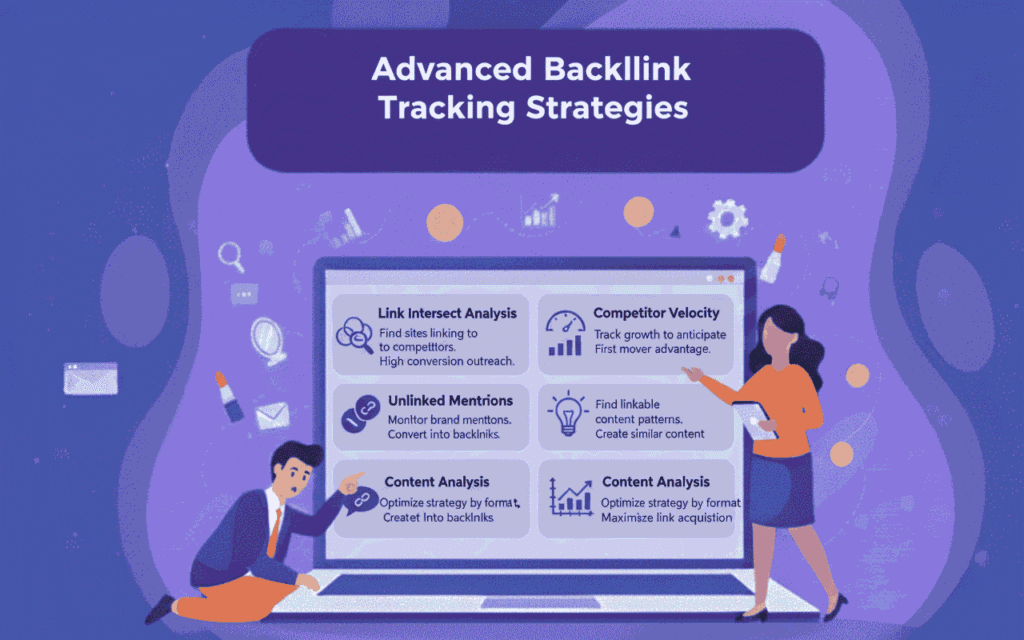
Use link intersect analysis to find sites that link to multiple competitors but not to you. These sites already cover your topic and are more likely to accept your content. This tactic delivers higher conversion rates than cold outreach.
Track the velocity of competitor backlink growth to anticipate industry trends. If rivals suddenly gain links from a new source, investigate why. Early adoption of emerging link opportunities creates first mover advantages.
Monitor brand mentions without links as unlinked citation opportunities. Tools can alert you when someone mentions your brand without linking. A simple outreach email often converts these mentions into valuable backlinks.
Analyse the content that earns the most backlinks in your niche. Identify patterns in format, topic, and depth. Create similar content with unique angles to attract links from the same sources.
Track backlinks by content type to optimise your content strategy. If infographics earn more links than blog posts, shift resources accordingly. Data driven content planning maximises link acquisition efficiency.
Measuring Backlink Tracking Success
Track referring domains growth as a primary KPI for link building campaigns. More unique domains linking to your site signals expanding authority. Aim for steady monthly growth rather than sporadic spikes.
Monitor domain authority changes to gauge long term SEO progress. Authority scores correlate strongly with rankings for competitive keywords. Track authority quarterly to measure campaign effectiveness over time.
Measure organic traffic from backlink sources to prove ROI. Use UTM parameters to track clicks from specific backlinks. This attribution connects link building efforts to revenue and conversion metrics.
Calculate the ratio of followed to nofollowed links in your profile. While nofollowed links have value, followed links pass more direct SEO benefit. A healthy profile contains at least 60% followed links.
Track the average domain rating of new backlinks to ensure quality growth. Pursuing high authority links improves rankings faster than accumulating low quality links. Set minimum authority thresholds for outreach targets.
Future Trends in Backlink Tracking Technology
Artificial intelligence will automate link quality assessment with greater accuracy. Machine learning models will predict which links will boost rankings before you acquire them. This predictive capability will transform link building from reactive to proactive.
Integration with brand monitoring tools will create unified reputation management platforms. You’ll track backlinks, social mentions, and reviews in one dashboard. This holistic view will reveal connections between online presence and business outcomes.
Real time link indexing will replace daily or weekly updates. Instant notifications about new backlinks will enable faster response times. You’ll be able to thank linkers and leverage momentum while content is still fresh.
Blockchain verification may authenticate link transactions and prevent fake backlinks. Decentralised link verification could reduce spam and increase trust in backlink data. This technology could reshape how search engines evaluate link authority.
Voice search optimisation will require tracking how backlinks influence featured snippets. Links from sites that frequently appear in voice results will carry premium value. Tracking tools will add voice search metrics to standard reports.
Final Words: Build Authority with Smart Backlink Tracking
Most SaaS, B2B, and agency teams approach backlink tracking the wrong way: they check links occasionally, react to issues late, and hope rankings improve. At DripRanks, we knew backlink data had to drive predictable growth, not just reports. So we built a system, not a service.
Our forensic backlink audits reveal which links actually move rankings and which ones quietly hold you back. By mapping link signals to search intent and automating monitoring, we turn backlink tracking into a repeatable growth engine that guides smarter outreach, content, and partnerships.
The result is SEO that’s measurable, scalable, and revenue-focused. No guesswork. No blind faith. Just clear insights, consistent execution, and backlinks that compound into real competitive advantage.