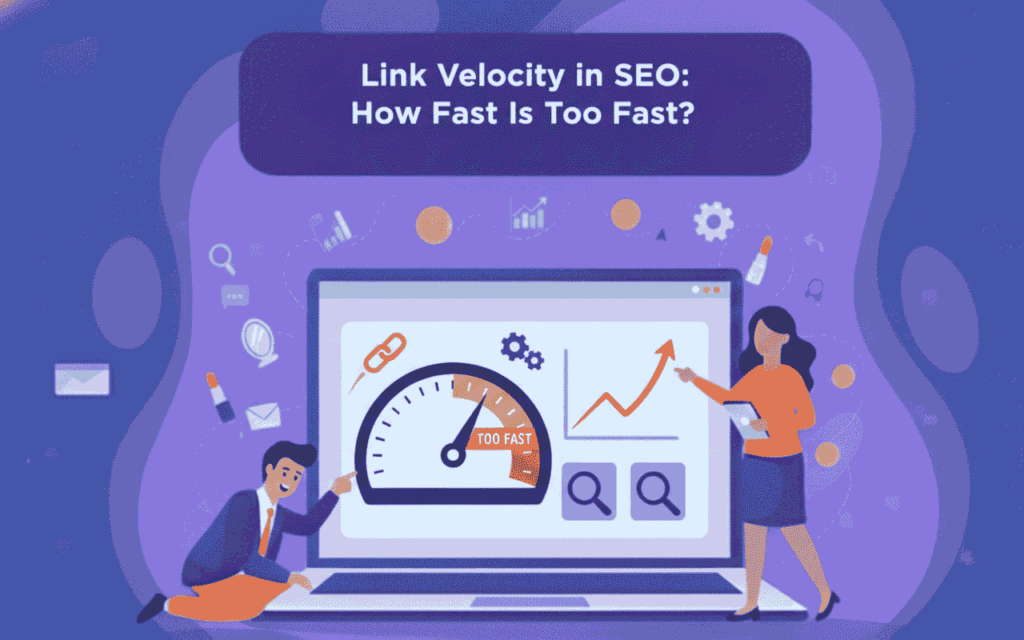

Google’s ranking algorithms analyse hundreds of signals to determine which websites deserve top positions. One often misunderstood signal is link velocity, the speed at which your website gains new backlinks over time.
Many website owners struggle with this concept. Building links too quickly can trigger spam filters, while growing too slowly means competitors overtake you. Recent algorithm updates in 2024 have made this balance even more critical for sustainable growth.
Drip Ranks specialises in natural link building strategies that align with search engine guidelines. Our data driven approach helps businesses achieve consistent growth without risking penalties or wasted effort.
This guide explains exactly what link velocity means, why it matters for your rankings, and how to maintain the perfect growth pattern. You’ll learn proven tactics that protect your site while accelerating visibility.
What is Link Velocity?
Link velocity measures how fast your website acquires backlinks during a specific timeframe. Search engines track this metric daily, weekly, and monthly to identify natural versus manipulative link building patterns.
A natural velocity shows gradual, consistent growth with occasional spikes from viral content or press coverage supported by ongoing Link Prospecting. For example, a local bakery might gain 5,10 links monthly from food blogs and directories. Sudden jumps to 100 links overnight signal potential manipulation.
Google’s algorithms compare your velocity against industry benchmarks and competitor patterns. New websites naturally start with zero links and build momentum over months. Established sites maintain steady acquisition rates that match their authority level.
Why Link Velocity Matters for SEO
Link velocity directly influences how search engines evaluate your website’s trustworthiness and authority. Algorithms use velocity patterns as a quality signal when determining which sites deserve higher rankings for competitive keywords.
Websites with consistent, natural growth patterns earn better treatment in search results. Google interprets steady link acquisition as proof that real people find your content valuable enough to reference. This positive signal compounds over time.
Abnormal velocity patterns trigger manual reviews and algorithmic penalties. A website jumping from 10 monthly links to 500 overnight raises red flags. Search engines interpret these spikes as purchased or spammed links, even when legitimate.
Your velocity also affects how quickly new links impact rankings. Natural patterns allow link equity to flow smoothly, improving positions within weeks. Suspicious patterns delay or nullify the ranking benefits entirely.
How Link Velocity Works
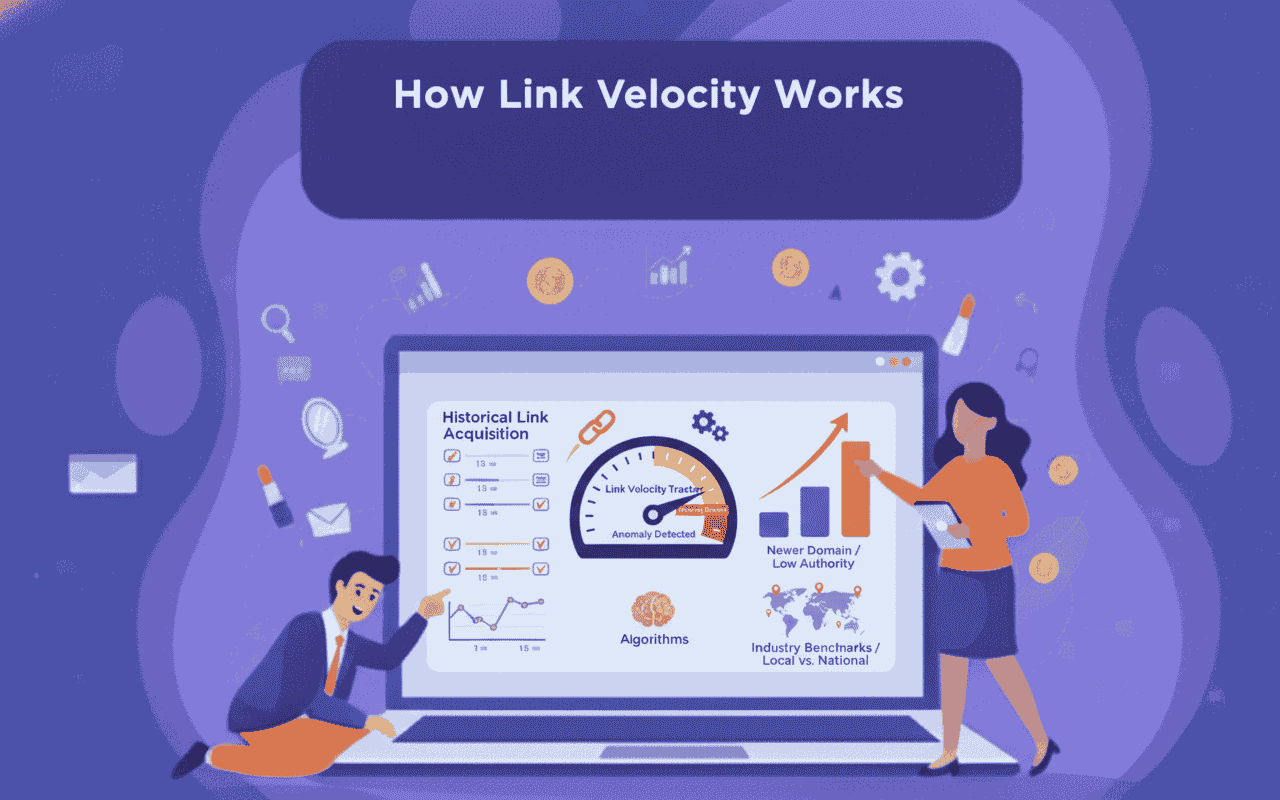
Search engines track every backlink pointing to your domain using sophisticated crawling systems. These systems record when each link first appears, creating a historical timeline of your link acquisition patterns.
Algorithms compare your current velocity against your historical baseline to detect anomalies. A website averaging 20 new links monthly won’t raise concerns with 25 links one month. That same site gaining 200 links triggers immediate scrutiny.
The system weighs velocity against other trust signals like domain age and existing authority. Newer domains with sudden link spikes face harsher penalties than established sites. Your reputation creates tolerance for natural growth fluctuations.
Google’s machine learning models recognise patterns across billions of websites. They identify normal velocity ranges for different industries, niches, and business sizes. Local businesses have different benchmarks than national e-commerce sites.
Natural vs. Unnatural Link Velocity Patterns
Natural link building follows predictable patterns based on content quality and promotion efforts. A company publishing weekly blog posts might gain 15-30 links monthly from organic discovery and social sharing.
Seasonal businesses experience velocity fluctuations that match their industry cycles. Ski resorts naturally acquire more links during winter months when outdoor sports content trends. Tax services gain links approaching April deadlines.
Viral content creates legitimate velocity spikes that search engines recognise as natural. A research study gaining media attention might attract 200 links within days. Algorithms distinguish this from spam because links come from diverse, authoritative sources.
Unnatural patterns show mathematical precision that humans don’t create organically. Gaining exactly 50 links every week for months signals automated link building. Real growth includes variation based on content performance.
Purchased link packages deliver batches of links simultaneously from low quality sources. These packages often come from the same network, using similar anchor text patterns. Search engines detect these footprints instantly.
Link farms and private blog networks create sudden spikes from domains with no genuine editorial standards. These networks exist solely for link manipulation, making them easy for algorithms to identify.
Safe Link Velocity Benchmarks
New websites should target 5-15 quality links during their first three months. This conservative approach builds foundation trust while establishing your baseline velocity. Focus on easy opportunities like business directories and industry associations.
Websites aged 6-12 months can safely increase to 20-40 monthly links through consistent content marketing. This pace demonstrates growing authority without triggering spam filters. Mix different link types including guest posts and citations.
Established sites with existing authority can handle 50-100 monthly links depending on their niche competitiveness. Larger brands naturally attract more references through PR and content marketing. Your current link profile determines your safe ceiling.
Always compare your velocity against direct competitors in search results. If top ranking competitors average 30 new links monthly, matching that pace appears natural. Dramatically exceeding their rates raises red flags.
Best Practices for Healthy Link Growth
Create cornerstone content that naturally attracts editorial links over extended periods. Comprehensive guides and research studies continue earning backlinks months after publication. This creates steady, organic velocity without active promotion.
Develop a consistent content calendar that supports predictable link acquisition. Publishing quality content weekly trains your audience and industry to expect regular shareable material. Consistency prevents velocity spikes and drops.
Diversify your link sources across multiple categories and domain types. Mix links from news sites, blogs, directories, forums, and social platforms. Natural link profiles include variety that spam campaigns lack.
Time your outreach campaigns to spread link acquisition across weeks rather than days. If planning 40 guest post placements, schedule them over two months instead of simultaneously. This approach mimics natural discovery patterns.
Monitor your velocity weekly using tools that track new backlinks. Spot unusual spikes early and investigate their source before search engines flag them. Quick identification allows you to disavow harmful links immediately.
Common Link Velocity Mistakes
Buying bulk link packages delivers hundreds of links simultaneously from questionable sources. These services promise quick results but destroy your velocity pattern permanently. Recovery from these penalties takes months of cleanup work.
Launching aggressive outreach campaigns without considering velocity limits overwhelms your profile. Even legitimate Guest Posting placements become suspicious when 50 appear within one week. Space your outreach efforts thoughtfully.
Ignoring seasonal patterns specific to your industry creates unnatural velocity comparisons. A holiday retailer gaining summer links at winter rates looks manipulative. Align your link building with audience behavior cycles.
Building links exclusively through one method creates footprints that algorithms recognise easily. If every new link comes from guest posts with identical formatting, patterns emerge. Vary your tactics monthly.
Neglecting to remove or disavow toxic links allows them to corrupt your velocity data. Low quality links acquired quickly taint your entire profile. Regular audits prevent cumulative damage.
Tools for Monitoring Link Velocity
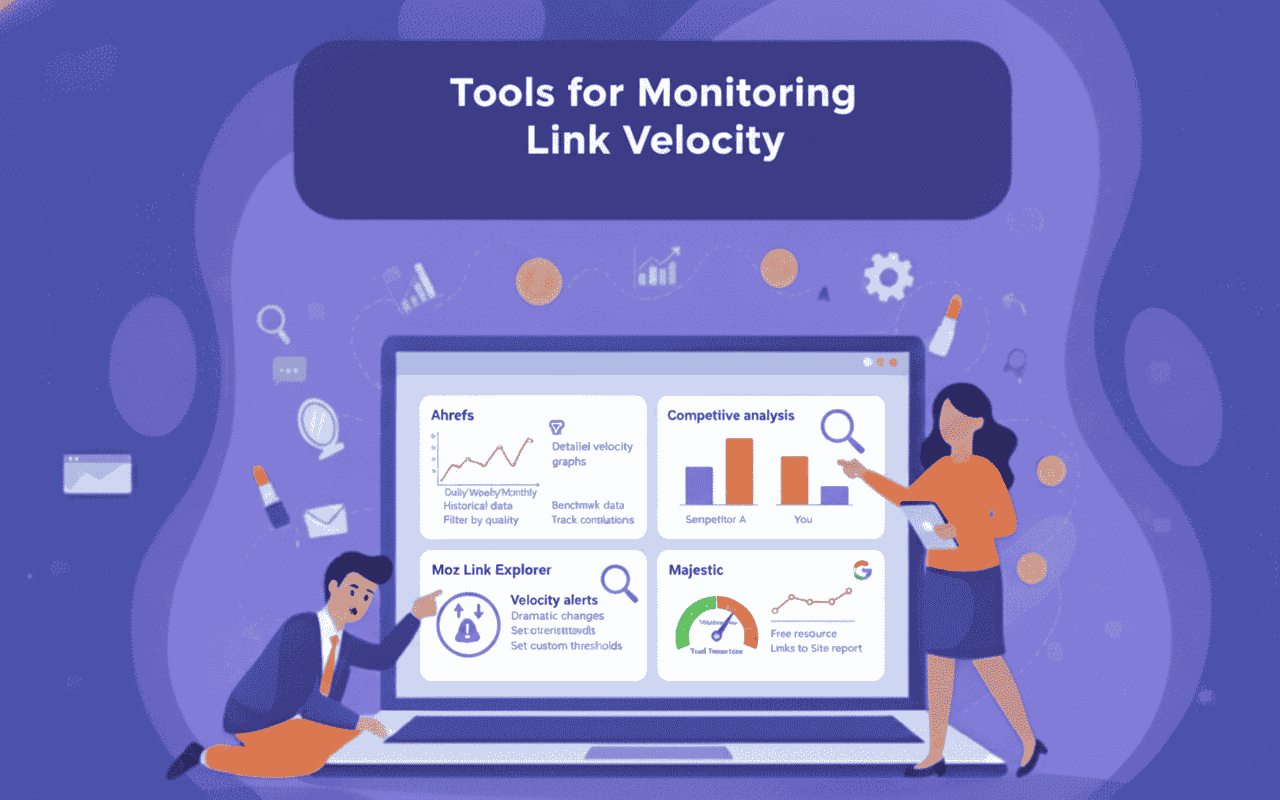
Ahrefs provides detailed velocity graphs showing your daily, weekly, and monthly link acquisition rates. Their historical data extends years back, revealing long term patterns and anomalies. Filter by link quality to separate valuable from spam links.
SEMrush offers competitive velocity analysis that compares your growth against top ranking competitors. This benchmark data helps establish safe targets for your niche. Track velocity changes alongside ranking movements to identify correlations.
Moz Link Explorer includes velocity alerts that notify you when acquisition rates change dramatically. These warnings catch both positive and negative velocity shifts before they impact rankings. Set custom thresholds based on your baseline.
Google Search Console shows new links discovered by Google’s crawlers in real time. While less detailed than paid tools, this free resource confirms which links actually count toward your profile. Monitor the “Links to Your Site” report weekly.
Majestic’s Trust Flow metric incorporates velocity patterns into its quality scoring system. Sudden link gains from low trust domains immediately lower your score. Use this as an early warning system for problematic velocity.
Advanced Link Velocity Strategies
Implement a tiered link building approach that varies velocity across different page types. Build links faster to commercial pages with lower risk tolerance while growing informational content naturally. This diversification protects your overall domain.
Create linkable assets quarterly to generate natural velocity spikes that appear editorial. Original research, industry surveys, and data visualisations attract concentrated attention when released, often amplified through Broken Link Building opportunities. These planned spikes look organic because content quality justifies them
Use link reclamation to smooth out velocity dips during slower content periods. Identifying and recovering lost or broken links maintains consistent growth without new content creation. This tactic fills velocity gaps naturally.
Leverage digital PR campaigns timed around news cycles and industry events. Securing coverage during relevant moments creates natural velocity increases tied to real world happenings. Search engines recognise these contextual patterns.
Build relationships with journalists and bloggers who link to resources repeatedly over time. These ongoing relationships create natural velocity from trusted sources. One strong connection generates multiple links across months.
Link Velocity and Algorithm Updates
Google’s Penguin update specifically targeted manipulative link velocity patterns starting in 2012. Sites showing sudden link spikes from low quality sources experienced severe ranking drops. This update permanently changed how search engines evaluate velocity.
Core algorithm updates now incorporate velocity as part of broader quality assessments. The December 2024 update increased scrutiny on velocity mismatches between new and established sites. Maintaining appropriate pace matters more than ever.
Future updates will likely use AI to detect increasingly subtle velocity manipulation. Machine learning models already identify patterns invisible to human auditors. Building genuinely natural links remains the only long term safe strategy.
Search engines now correlate velocity with user engagement metrics and brand signals. A website gaining links quickly while showing poor engagement triggers deeper investigation. Velocity must align with genuine popularity indicators.
Future Trends in Link Velocity
Voice search and AI generated content are creating new link velocity patterns as industries adapt. Websites optimising for AI answers from tools like ChatGPT see different acquisition rates. Monitor how your niche evolves.
Entity based SEO shifts focus toward brand mentions beyond traditional links. Google increasingly values unlinked mentions in velocity calculations. Your brand’s overall visibility growth matters alongside direct backlinks.
Final Thoughts
Most teams treat link building as a volume game acquire links, hope rankings stick, and panic when growth stalls or penalties appear. At DripRanks, we saw the flaw in that approach. So we built a system, not a tactic.
Our forensic link audits uncover velocity risks and missed authority opportunities before they impact rankings. Intent aligned link acquisition ensures growth mirrors real business momentum, not artificial spikes. Scalable processes replace guesswork, allowing authority to compound safely over time. The result? Link velocity becomes predictable, compliant, and revenue supporting not a liability that threatens your SEO investment.
DripRanks helps SaaS, B2B, and agency teams turn link building into a measurable growth engine. With continuous monitoring, diversified acquisition strategies, and performance tracking, your authority grows in sync with demand. No shortcuts. No penalties. Just sustainable rankings that convert.