

Most websites lose thousands of potential visitors every month without realising why. Search engines crawl billions of pages daily, but your most important content might never get indexed. Server log files hold the answers to these frustrating problems, revealing exactly how search bots interact with your website.
Understanding log file analysis gives you direct insight into search engine behavior on your site. Unlike analytics platforms that show user activity, log files record every single request made to your server including crawler visits. This data exposes crawl budget waste, broken redirects, and pages Google ignores completely.
Modern SEO requires technical precision beyond basic optimisation tactics. Log file analysis has become essential for large websites, ecommerce platforms, and any business serious about organic growth. When you analyse server logs correctly, you discover opportunities competitors miss and fix problems holding back your rankings.
This guide explains everything you need to master log file analysis for better search performance. You will learn what log files contain, why they matter for SEO, how to extract actionable insights, and which tools make the process efficient.
What is Log File Analysis?
Log file analysis is the process of examining server log data to understand how search engine crawlers access and navigate your website. Every time a bot or user requests a page, your web server records this activity in a log file with specific details related to JavaScript SEO.
These files contain timestamps, IP addresses, user agents, requested URLs, response codes, and bandwidth used for each request. For SEO purposes, you filter this data to focus specifically on search engine bot activity. This reveals crawling patterns, frequency, and which pages receive crawler attention.
The data sits on your web server regardless of third party analytics tools. This makes log files the most accurate source for understanding technical search engine behavior. Unlike JavaScript based tracking that bots may not trigger, server logs capture every single HTTP request without exception.
Why is Log File Analysis Important for SEO?
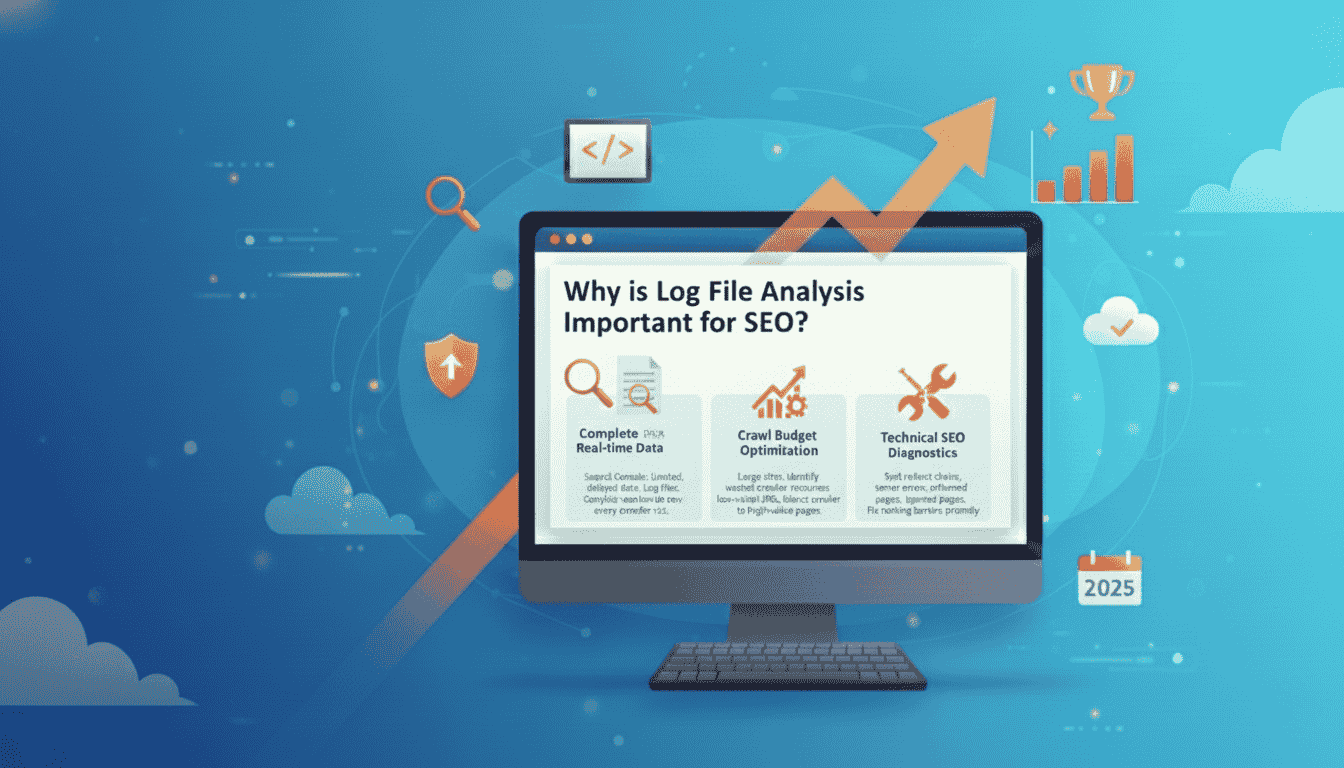
Log file analysis solves problems that Google Search Console and analytics platforms cannot address effectively. Search Console shows a limited sample of crawl data, often delayed by days or weeks. Log files give you complete real time information about every crawler visit to your site.
Crawl budget optimisation becomes possible only through log file analysis. Large websites with thousands of pages often waste crawler resources on low value URLs like filters, tags, or duplicate content. By identifying these patterns, you can redirect crawler attention to pages that actually drive revenue and rankings.
Technical SEO issues become immediately visible in log file data. You can spot redirect chains, server errors, orphaned pages getting crawled, and important pages being ignored. This diagnostic power helps you fix ranking barriers before they cost you traffic and conversions.
How Does Log File Analysis Work?
The process begins by accessing raw log files from your web server or CDN provider. Most hosting platforms store these files in specific directories, often compressed to save space. You download files covering your desired analysis period, typically several weeks for meaningful patterns.
Next, you parse the log data using specialised software or scripts that organise millions of entries into readable formats. The software filters requests by user agent to isolate search engine bots like Googlebot, Bingbot, and others. This separation removes human traffic and focuses purely on crawler behavior.
Analysis tools then segment the data by URL, crawl frequency, response codes, and bot types. You create visualisations showing which pages get crawled most often, which sections get ignored, and where crawlers encounter errors. These insights drive specific optimisation actions to improve search engine access and efficiency.
Best Practices for Effective Log File Analysis
Start by establishing a regular analysis schedule rather than one time reviews. Crawler behavior changes constantly based on content updates, site structure changes, and algorithm adjustments. Monthly analysis helps you catch problems early and measure the impact of technical improvements.
Focus on Googlebot activity first since Google dominates search traffic for most websites. Separate Googlebot smartphone and desktop crawlers to understand mobile first indexing patterns. Check if mobile crawlers access your important pages more frequently than desktop crawlers as expected.
Correlate log file data with ranking changes and organic traffic patterns. When rankings drop for specific pages, check if crawler frequency decreased simultaneously. This connection reveals whether indexing issues caused the problem or if content quality needs improvement instead.
Segment your site into logical sections like product pages, blog posts, category pages, and utility pages. Compare crawl frequency across these segments to identify imbalances. If crawlers spend excessive time on low value tag pages while ignoring new product releases, you have clear optimisation opportunities.
Set up alerts for unusual crawler activity patterns. Sudden spikes might indicate crawler traps or infinite spaces causing budget waste. Sharp decreases could signal accidental blocking through robots.txt changes or server configuration problems requiring immediate attention.
Common Mistakes and Misconceptions About Log File Analysis
Many SEO professionals assume log file analysis only matters for enterprise websites with millions of pages. Smaller sites also benefit significantly from understanding crawler behavior, especially when launching new content sections or diagnosing sudden traffic drops. The complexity of analysis should match site size, not be avoided entirely.
Another mistake involves analysing too short a time period. A single day or week rarely provides enough data for reliable patterns. Crawlers adjust their behavior based on site changes, requiring at least 30 days of data for meaningful insights and trend identification.
Some teams waste time analysing every single log entry without focusing on actionable insights. The goal is not to review every crawler request but to identify patterns affecting rankings and indexing. Prioritise findings that directly impact business goals like indexing important pages and reducing wasted crawl budget.
Ignoring non Googlebot crawlers represents a missed opportunity. Bing, Yandex, and other search engines drive valuable traffic in specific markets and niches. If these bots cannot efficiently crawl your site, you lose potential visibility and conversions from diverse traffic sources.
Many site owners misinterpret crawl frequency as a ranking signal itself. High crawl rates do not guarantee better rankings, and low crawl rates do not always indicate problems. The quality of crawled content and proper indexing matter far more than raw crawler visit counts.
Tools and Resources for Log File Analysis
Screaming Frog Log File Analyser offers powerful features specifically designed for SEO professionals. The tool imports server logs, segments crawler activity, and visualises data alongside crawl data from the main Screaming Frog tool. This integration helps identify orphaned pages and crawl efficiency issues quickly.
Botify provides enterprise level log analysis with machine learning capabilities that detect anomalies automatically. The platform combines log data with rankings, analytics, and technical audits for comprehensive SEO insights. Large ecommerce sites and publishers benefit most from this depth of analysis and automation.
OnCrawl specialises in combining website crawls with log file analysis to create complete technical SEO pictures. The platform excels at identifying crawl budget waste and indexing inefficiencies. Visual dashboards make complex data accessible even for teams without deep technical backgrounds.
Splunk and ELK Stack (Elasticsearch, Logstash, Kibana) serve as powerful general purpose log analysis platforms. These tools require more technical setup but offer unlimited customisation for specific analysis needs. Development teams often already use these platforms, making integration with SEO workflows easier.
Custom Python or R scripts provide complete control over log file analysis for technical SEO specialists. Libraries like pandas and matplotlib enable data processing and visualisation tailored to unique site architectures. This approach works best when commercial tools lack specific functionality your analysis requires.
Advanced Tips for Log File Analysis Success
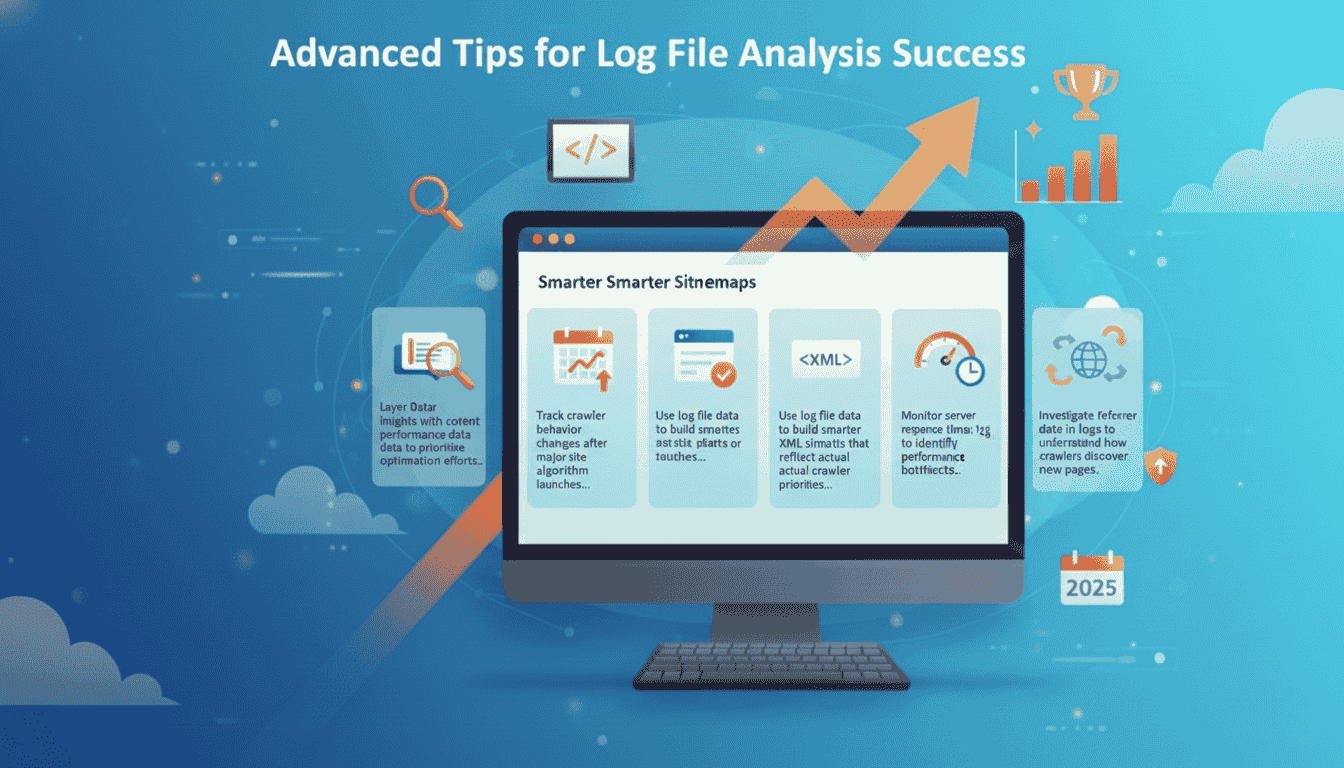
Layer your log file insights with content performance data to prioritise optimisation efforts. Pages with high crawl frequency but low rankings may have quality issues rather than technical problems. Conversely, high performing pages with low crawl rates might rank even better with increased crawler attention.
Track crawler behavior changes after major site updates or algorithm launches. If crawl patterns shift dramatically after you implement HTTPS, change URL structures, or launch new sections, you can immediately assess whether crawlers adapted as expected. This feedback loop dramatically shortens troubleshooting time.
Use log file data to build smarter XML sitemaps that reflect actual crawler priorities. Instead of including every page, focus on URLs that drive business value but receive insufficient crawler attention. This targeted approach helps search engines discover and index your most important content faster.
Monitor server response times in log files to identify performance bottlenecks affecting crawler experience. Slow server responses waste crawl budget and may lead to fewer pages being indexed. Correlation between slow pages and decreased crawl frequency often reveals optimisation opportunities your development team should prioritise.
Investigate referrer data in logs to understand how crawlers discover new pages. If important pages only get crawled when submitted through Search Console rather than discovered through site navigation, your internal linking structure needs improvement. This insight drives concrete information architecture changes.
How Log File Analysis Improves Website Performance
Regular log file analysis prevents crawl budget waste on duplicate content and low value pages. When you identify crawler time spent on URL parameters, printer friendly versions, or session IDs, you can implement technical fixes. These corrections redirect crawler resources to unique, valuable content that deserves indexing and ranking attention.
The practice reveals orphaned pages that receive traffic but lack internal links. These pages exist in search indexes from old links or sitemaps but risk being dropped during recrawls. Adding strategic internal links ensures crawlers continue accessing these pages, maintaining their rankings and traffic contributions.
Log analysis helps you understand exactly when search engines discover and index new content. If fresh blog posts or products take weeks to appear in search results, log files show whether crawlers even visit these pages. This diagnostic capability helps you optimise publication workflows and internal linking for faster indexing.
Server error identification becomes precise with log file analysis. You discover exactly which pages return 500 errors, how often this happens, and which crawler types encounter problems. This specificity enables faster fixes compared to generic error monitoring that lacks SEO context.
Final Words
Most SaaS, B2B, and agency teams treat log file analysis like optional busywork: glance at server logs, hope crawlers behave, and wonder why rankings aren’t predictable. At Drip Ranks, we knew there had to be a better way. So we built a system, not a service.
Forensic audits uncover your highest-ROI opportunities, showing exactly where search engines interact with your site and revealing hidden crawl inefficiencies. Intent-mapped strategies ensure every technical fix supports the buyer journey, while scalable execution multiplies results without increasing headcount. The difference? Your SEO becomes measurable, repeatable, and revenue focused, not a black box that relies on guesswork.
Drip Ranks specialises in advanced technical SEO, including comprehensive log file analysis for businesses serious about search dominance. Our team turns log file insights into actionable strategies that improve indexing, optimise crawl budget, and grow organic traffic. Contact us today to discover how proper log file analysis can fix hidden SEO problems and unlock your site’s full organic potential.