
Most websites lose 70% of their organic traffic potential because of poor internal linking structure. Search engines struggle to discover valuable content, and users bounce after viewing just one page. This problem affects businesses of every size, from local shops to enterprise brands competing for visibility.
Internal linking connects different pages within your website using hyperlinks. When done correctly, it creates a roadmap for search engines and guides visitors through your content naturally. Recent algorithm updates show Google now prioritises sites with clear information hierarchies and logical navigation paths.
This guide reveals proven internal linking tactics that improve search rankings, increase page authority distribution, and keep visitors engaged longer. You’ll learn how to build strategic link networks, avoid common errors, and implement advanced techniques used by top ranking websites. Whether you’re optimising a new site or fixing existing structure problems, these methods deliver measurable results.
What is Internal Linking?
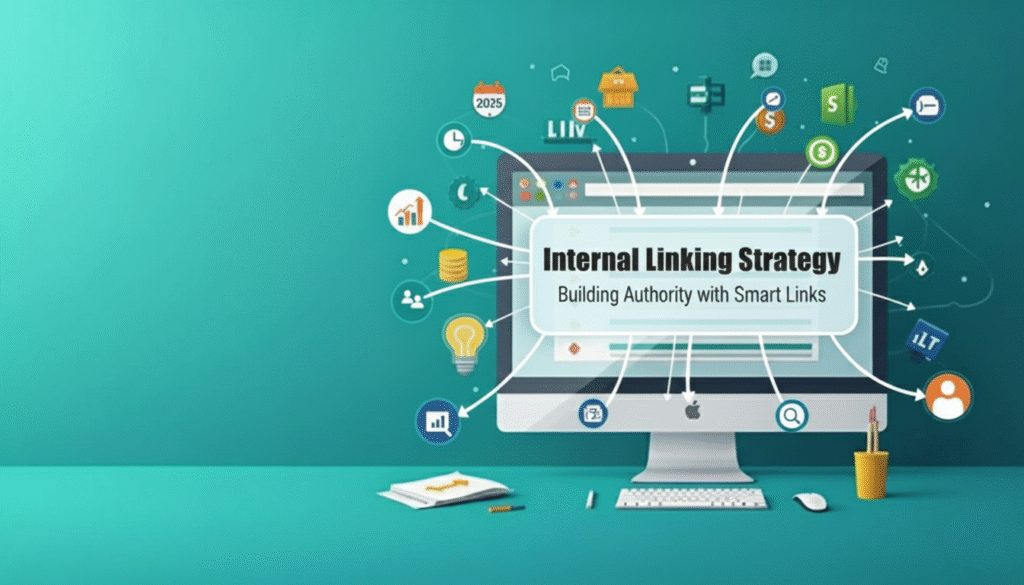
Internal linking creates connections between pages on the same domain using clickable anchor text. Unlike external links pointing to other websites, these links keep users within your site while helping search engines understand content relationships. Every click from your homepage to a product page represents an internal link.
These connections serve two primary functions for website performance. First, they distribute page authority throughout your site, strengthening pages that might otherwise remain invisible to search engines, which is a core part of what is SEO. Second, they create pathways for both users and crawlers to discover content efficiently.
Search engines use internal links to map your entire website structure. When a crawler lands on your homepage, it follows every internal link to find additional pages worth indexing. Pages buried five clicks deep receive less crawl priority than those linked from high authority pages.
.
Why is Internal Linking Important?
Your internal linking structure directly impacts how search engines evaluate and rank your content. Sites with strong internal networks typically rank higher because they demonstrate topical authority and organisational clarity. Google’s algorithms interpret well linked content as more valuable and trustworthy.
Page authority flows through internal links like water through connected pipes. When a high authority page links to a newer page, it passes ranking power that helps the new content compete faster. This process, called link equity distribution, determines which pages earn top positions for competitive keywords.
User experience improves dramatically when visitors find related content easily. Strategic internal links reduce bounce rates by 40,60% because readers discover additional valuable resources without returning to search results. Lower bounce rates signal to search engines that your content satisfies user intent effectively.
How Does Internal Linking Work?
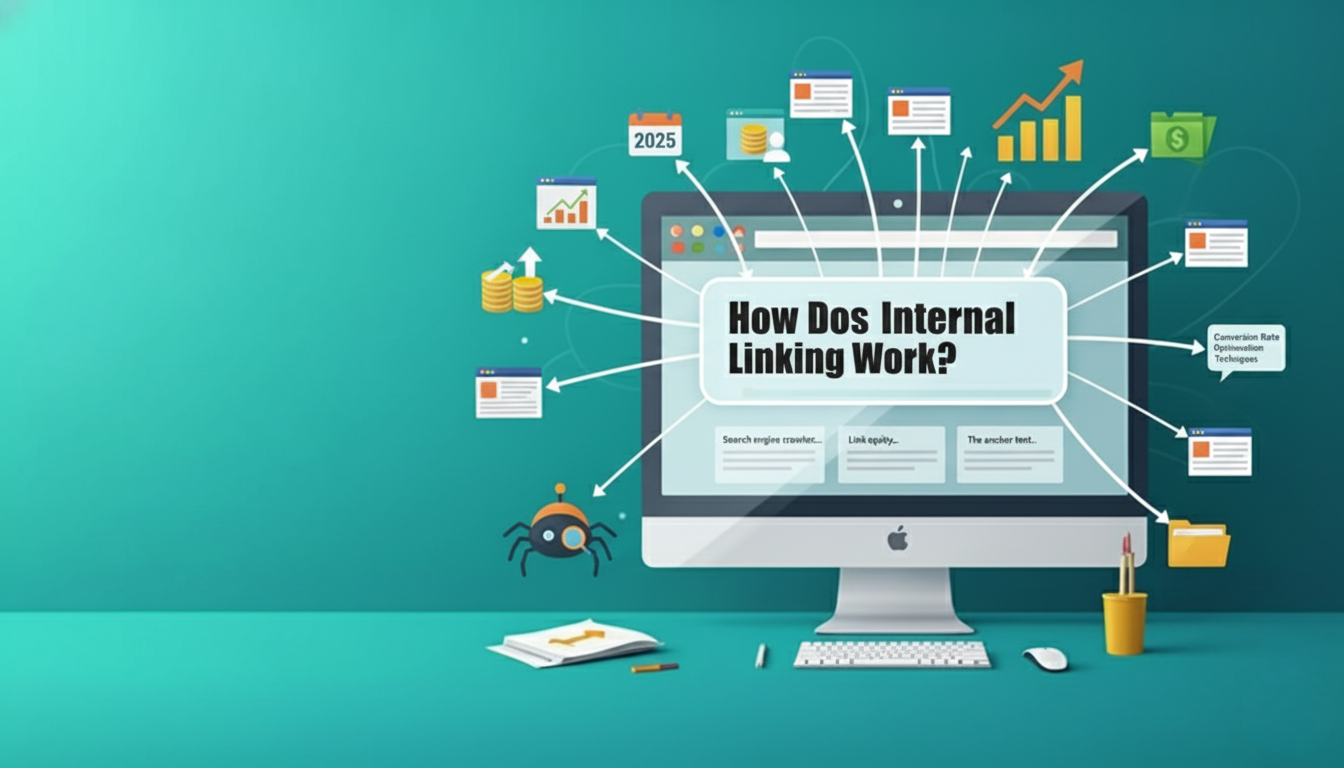
Search engine crawlers follow internal links to discover and index your website pages systematically. When you publish new content, crawlers may take weeks to find it without internal links from existing pages. Strategic placement accelerates indexing and ensures important pages receive regular crawl attention.
Link equity transfers from one page to another through the anchor text and surrounding context. Pages linked multiple times from authoritative sources accumulate more ranking power than isolated pages. This distribution follows a hierarchical pattern, with homepage and category pages typically holding the most authority.
The anchor text you choose tells search engines what the linked page discusses. Descriptive anchors like “conversion rate optimisation techniques” provide more context than generic phrases like “click here” or “read more.” Search algorithms use this text to confirm topical relevance and improve keyword associations.
Best Practices and Strategies
Start by creating a clear site hierarchy with main categories, subcategories, and individual content pages. Your homepage should link to primary category pages, which then link to relevant subcategories and specific articles. This pyramid structure ensures every page sits within three clicks from the homepage.
Use descriptive anchor text that accurately previews the linked content without keyword stuffing. Natural phrases like “email marketing automation tools” work better than repetitive exact match keywords. Vary your anchor text across different links pointing to the same page to maintain natural patterns.
Link from high authority pages to new or underperforming content you want to boost. Your most visited blog posts and service pages carry significant link equity that can elevate related resources. Audit your top pages quarterly and add contextual links to content that deserves more visibility.
Contextual links within body content perform better than sidebar or footer links. Search engines assign more weight to links surrounded by relevant text because they appear more natural and intentional. Place your most important internal links within the first two paragraphs when possible.
Create content hubs around pillar topics with comprehensive guides linking to specific subtopic articles. This hub and spoke model establishes topical authority and keeps users engaged across multiple related pages. Each spoke article should link back to the pillar and to other relevant spokes.
Common Mistakes and Misconceptions
Many site owners create too many internal links per page, diluting the value passed to each destination. Pages with 100+ links spread their authority so thin that individual links carry minimal weight. Limit each page to 50-70 internal links focused on your most important content.
Broken internal links frustrate users and waste crawler resources on dead ends. A single broken link may seem minor, but sites average 20-30 broken links that accumulate over time through deleted pages and URL changes. Run monthly audits using crawler tools to identify and fix these issues.
Using identical anchor text for every link pointing to a page looks manipulative to search algorithms. This over optimisation triggers spam filters and may result in ranking penalties. Rotate between branded terms, exact keywords, partial matches, and natural phrases across different links.
Footer and sidebar links receive less weight than contextual body links, yet many sites rely heavily on navigation menus. While these elements help users navigate, they shouldn’t replace strategic in content linking. Reserve your most valuable link equity for contextual connections that support content flow.
Linking to irrelevant pages damages user experience and confuses search engines about your topical focus. Every internal link should add genuine value for readers seeking related information. Avoid forcing links just to increase internal linking volume without strategic purpose.
Tools and Resources
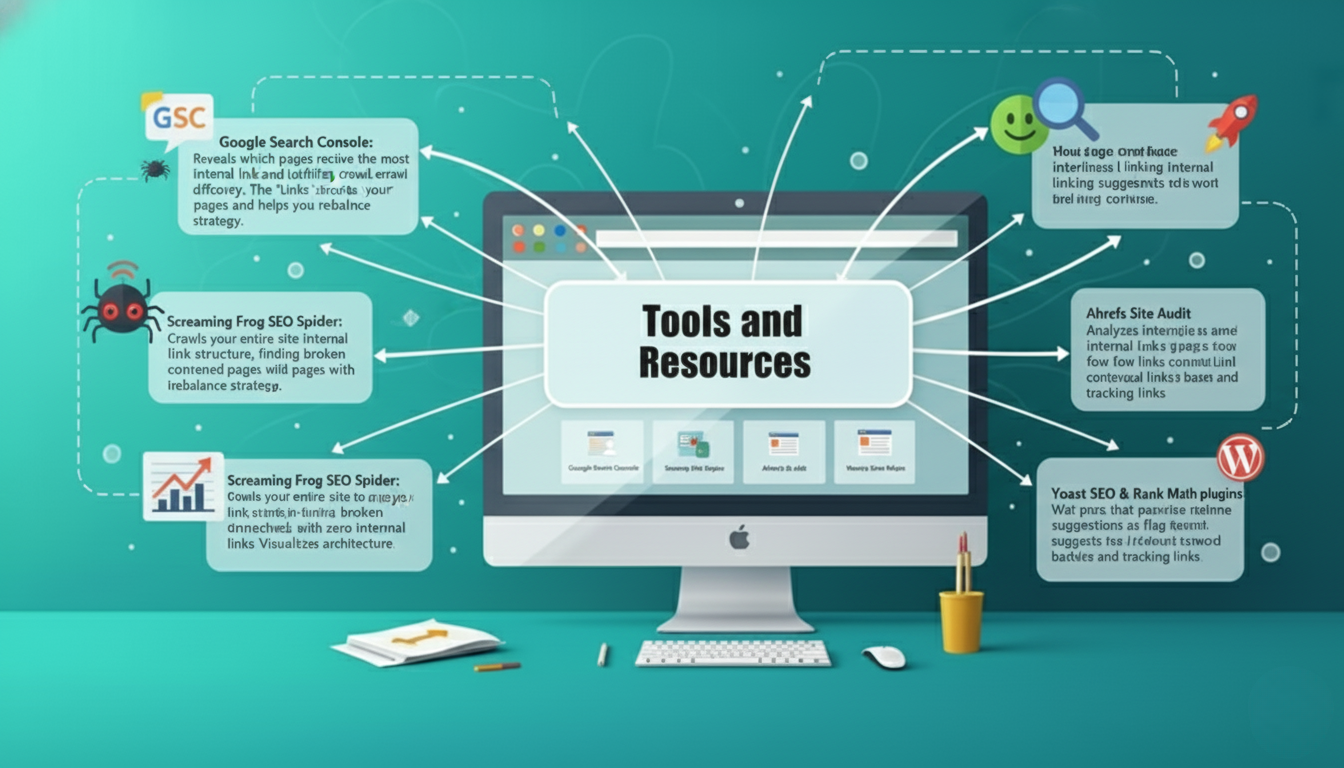
Google Search Console is an important SEO tool that reveals which pages receive the most internal links and identifies crawl errors affecting link discovery. The “Links” report shows your most linked pages and helps you identify content that needs more internal support. Use this data to rebalance your linking strategy quarterly.
Screaming Frog SEO Spider crawls your entire site to map internal link structures and find broken connections. This tool visualises your link architecture, showing orphaned pages with zero internal links. The visualisation feature helps you spot structural weaknesses that limit crawler access.
Ahrefs Site Audit analyses internal linking opportunities and flags pages with too few or too many links. Their “Internal Link Opportunities” feature suggests where you should add contextual links based on keyword relevance. This automation saves hours of manual content review.
Yoast SEO and Rank Math provide real time internal linking suggestions as you create WordPress content. These plugins scan your existing posts and recommend relevant articles to link within new content. They also track how many internal links each post receives.
Advanced Tips and Future Trends
Implement strategic link velocity by gradually adding internal links to new content over several weeks. This pattern appears more natural than immediately linking every relevant page on publication day. Spread your linking efforts across multiple content updates to simulate organic growth and maximise SEO benefits.
Use dynamic internal linking for personalised user experiences based on browsing behavior and preferences. Advanced sites now serve different internal link suggestions depending on user demographics and past interactions. This personalisation increases engagement and time on site significantly.
Voice search optimisation requires internal linking structures that match conversational queries and question based content. Link FAQ pages to detailed answer content and create clear pathways between question clusters. This approach helps voice assistants navigate your content hierarchy effectively.
Schema markup combined with internal links creates enhanced search results with sitelinks and breadcrumb trails. Properly implemented structured data helps search engines understand your internal link relationships and display them in rich snippets. This visibility boosts click through rates substantially.
Artificial intelligence tools now analyse your content and suggest optimal internal linking patterns based on semantic relationships. These systems identify connections human editors might miss and recommend anchor text variations automatically. Early adopters see 25-35% improvements in crawl efficiency.
Final Words
Most SaaS, B2B, and agency teams treat internal linking like an afterthought: add a few links, hope it helps rankings, and wonder why traffic isn’t predictable. At Drip Ranks, we knew there had to be a better way. So we built a system, not a service.
Forensic audits uncover your highest-ROI opportunities, identifying where internal linking can distribute authority, improve site architecture, and enhance user experience. Intent-mapped strategies ensure every link supports pages at every stage of the buyer journey, while scalable execution multiplies results without increasing headcount. The difference? Your SEO becomes measurable, repeatable, and revenue-focused, not a black box that relies on guesswork.
Drip Ranks specialises in internal linking audits and implementation as part of comprehensive SEO strategies. Contact us today for a complete SEO audit and discover exactly how optimised internal linking can boost search rankings and organic traffic within 90 days.