
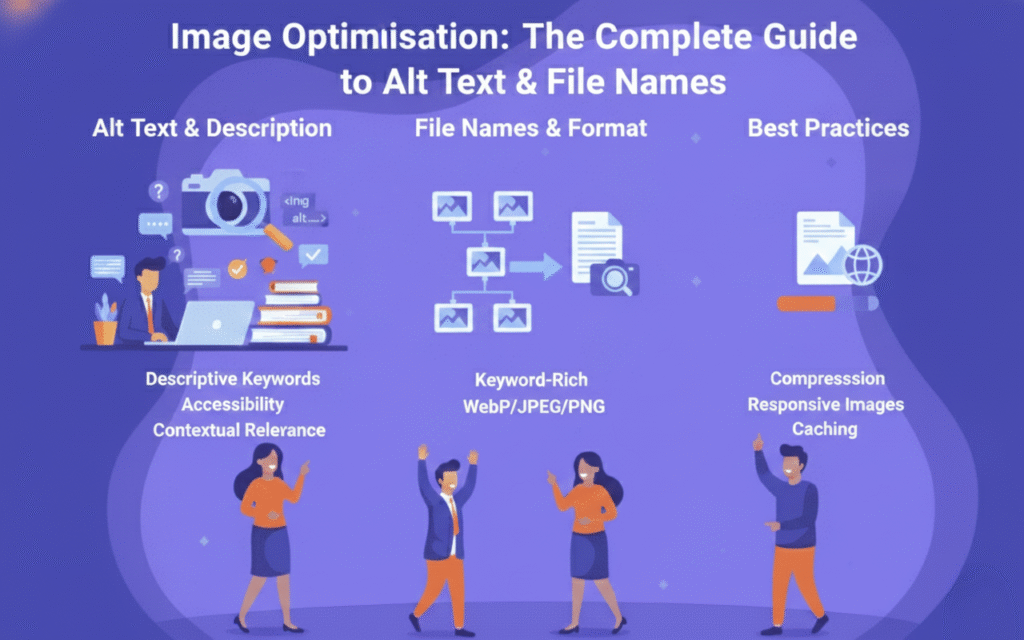

Search engines process billions of images daily, yet most businesses ignore visual content optimisation entirely. Google Image Search drives nearly 23% of all web searches, representing a massive untapped traffic source for brands. Unoptimised images slow page speed, hurt rankings, and waste valuable opportunities to appear in visual search results.
Image SEO transforms visual content into ranking assets that attract qualified visitors. Proper optimisation reduces load times, improves user experience, and signals relevance to search algorithms. Businesses that master image optimisation gain visibility across traditional search, image search, and AI powered visual discovery platforms.
At Drip Ranks, we’ve helped hundreds of clients unlock traffic through strategic image optimisation. Our data shows that properly optimised images can increase organic traffic by 30 40% within three months. This guide covers everything you need to rank images, speed up your site, and convert visual searchers into customers.
You’ll discover proven techniques for file naming, alt text creation, compression, schema markup, and measurement. These strategies work for ecommerce stores, blogs, service providers, and any site using visual content. Let’s transform your images from page decorations into powerful ranking signals.
What is Image SEO?
Image SEO refers to optimising visual content so search engines can understand, index, and rank it properly. This practice includes technical elements like file format, compression, and naming, plus contextual signals such as alt text and surrounding content. Search engines cannot “see” images the way humans do, so they rely on these signals to interpret visual meaning. Proper internal linking alongside image SEO can further boost page relevance and user navigation.
Proper image optimisation serves dual purposes for websites. First, it helps search bots categorise and rank images for relevant queries. Second, it improves page performance by reducing file sises that slow loading speed. Google’s algorithm weighs both relevance signals and technical performance when determining rankings.
The process extends beyond simple file uploads. Effective image SEO requires structured data, responsive design considerations, and alignment with overall content strategy. When executed correctly, optimised images appear in Google Image Search, standard SERP results, and featured snippets that include visual elements.
Why is Image SEO Important?
Image SEO is a part of overall search optimisation and helps explain what is SEO in practical terms, it refers to optimising visual content so search engines can understand, index, and rank it properly. This practice includes technical elements like file format, compression, and naming, plus contextual signals such as alt text and surrounding content. Search engines cannot “see” images the way humans do, so they rely on these signals to interpret visual meaning.
Proper image optimisation serves dual purposes for websites. First, it helps search bots categorise and rank images for relevant queries. Second, it improves page performance by reducing file sises that slow loading speed. Google’s algorithm weighs both relevance signals and technical performance when determining rankings.
The process extends beyond simple file uploads. Effective image SEO requires structured data, responsive design considerations, and alignment with overall content strategy. When executed correctly, optimised images appear in Google Image Search, standard SERP results, and featured snippets that include visual elements.
How Does Image SEO Work?
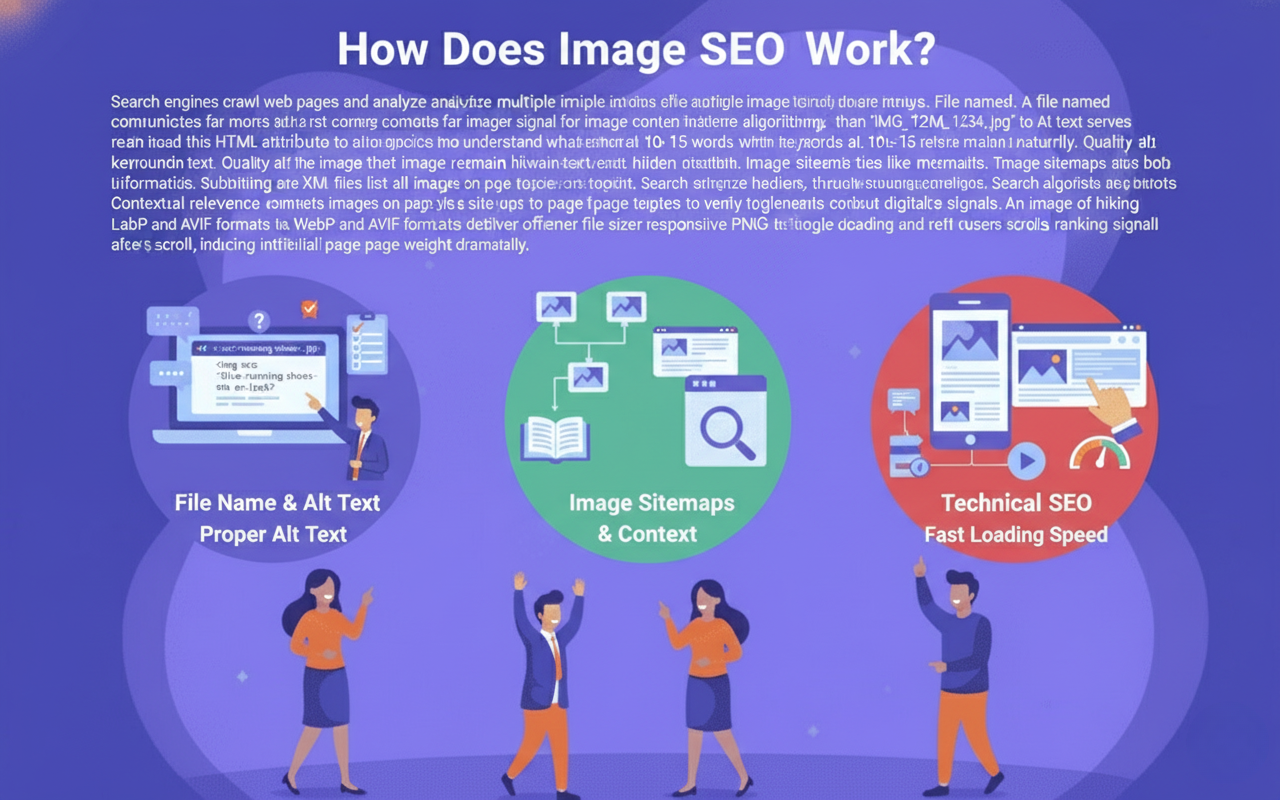
Search engines crawl web pages and analyse multiple image attributes simultaneously. File names provide the first context clue about image content. A file named “blue running shoes men.jpg” communicates far more than “IMG_1234.jpg” to indexing algorithms that lack visual perception.
Alt text serves as the primary descriptive signal for image content. Algorithms read this HTML attribute to understand what the image depicts and its relevance to surrounding text. Quality alt text describes the image clearly in 10 15 words while incorporating relevant keywords naturally, which also supports an effective meta description strategy.
Image sitemaps help search bots discover visual content that might otherwise remain hidden. These XML files list all images on your site with metadata like captions, titles, and geographic information. Submitting an image sitemap through Google Search Console accelerates indexing and improves discovery rates.
Contextual relevance connects images to page topics through surrounding content. Search algorithms analyse headings, paragraphs, and captions near images to verify topical alignment. An image of hiking boots on a page about digital marketing confuses relevance signals and weakens ranking potential.
Technical factors like format, compression, and responsive sising affect both performance and rankings. WebP and AVIF formats deliver smaller file sises than traditional JPEG or PNG. Lasy loading defers offscreen image loading until users scroll, reducing initial page weight dramatically.
Best Practices and Strategies
Choose descriptive filenames before uploading any image to your website. Replace default camera names with keyword rich descriptions separated by hyphens. Use lowercase letters and avoid special characters that might cause rendering issues across different systems.
Compress images without sacrificing visual quality using modern tools. Aim for file sises under 150KB for most web images while maintaining crisp appearance. Tools like TinyPNG, ShortPixel, or ImageOptim automate compression while preserving important visual details.
Write specific alt text that describes image content and function. Mention key objects, actions, colors, or context that users need to understand. Avoid starting with “image of” or “picture of” since screen readers already announce image elements automatically.
Implement responsive images using srcset attributes for different screen sises. Serve smaller versions to mobile users and full resolution to desktop visitors. This technique reduces mobile load times while maintaining quality on larger displays.
Add structured data using ImageObject schema to provide rich metadata. Include properties like content URL, license information, creator details, and acquisition location. Schema markup helps search engines display enhanced results with additional image information.
Create unique images instead of relying solely on stock photography. Original visuals signal quality content and avoid duplicate image penalties. Custom graphics, screenshots, infographics, and photos differentiate your content from competitors using identical stock images.
Common Mistakes or Misconceptions
Many site owners believe image optimisation only matters for ecommerce stores. Every website benefits from faster load times and additional traffic sources regardless of industry. Service providers, blogs, and informational sites all gain visibility through properly optimised visual content.
Using identical alt text across multiple images creates missed opportunities and weak signals. Each image requires unique descriptive text matching its specific content and context. Generic phrases like “company logo” or “product image” waste valuable description space.
Ignoring image dimensions causes unnecessary rendering work for browsers. Upload images at the exact display sise needed rather than relying on CSS to resise. A 3000 pixel image scaled down to 500 pixels wastes bandwidth and processing power.
Keyword stuffing alt text damages both accessibility and SEO performance. Screen reader users suffer through awkward, repetitive phrases while search engines detect manipulation. Natural descriptions that happen to include relevant terms perform better than forced keyword lists.
Overlooking Core Web Vitals metrics like Largest Contentful Paint means missing performance issues. Images often represent the largest page elements, directly impacting LCP scores. Monitor these metrics through PageSpeed Insights and Search Console regularly.
Forgetting mobile optimisation leaves the majority of users with poor experiences. Over 60% of web traffic comes from mobile devices with slower connections. Test image loading on actual mobile networks, not just desktop simulators.
Tools and Resources
Google PageSpeed Insights reveals specific image optimisation opportunities for any URL, helping improve overall URL optimisation and performance. The SEO tool identifies oversised images, suggests modern formats, and calculates potential savings. Run tests monthly to catch new issues as content expands.
SEO tools like TinyPNG and Squoosh provide free image compression with visual quality comparisons. Batch process multiple files simultaneously or compress individual images before upload. Both tools support PNG, JPEG, and WebP formats with adjustable quality settings.
Screaming Frog SEO Spider crawls websites to audit image attributes systematically. The SEO tool identifies missing alt text, oversised files, broken image links, and format opportunities. Export reports to prioritise fixes across large image libraries.
Google Search Console offers image specific performance reports showing impressions and clicks. Track which images drive traffic and which queries trigger your visual content. Use this data to refine alt text and create more images around successful topics.
ImageKit and Cloudinary provide content delivery networks specialised for image optimisation. These SEO tools automatically compress, resise, and convert images to optimal formats. CDN delivery reduces server load and accelerates image loading globally.
WAVE accessibility checker evaluates alt text quality and identifies accessibility issues. The SEO tool highlights images missing descriptions and suggests improvements. Regular accessibility audits strengthen both user experience and search performance.
Advanced Tips and Future Trends
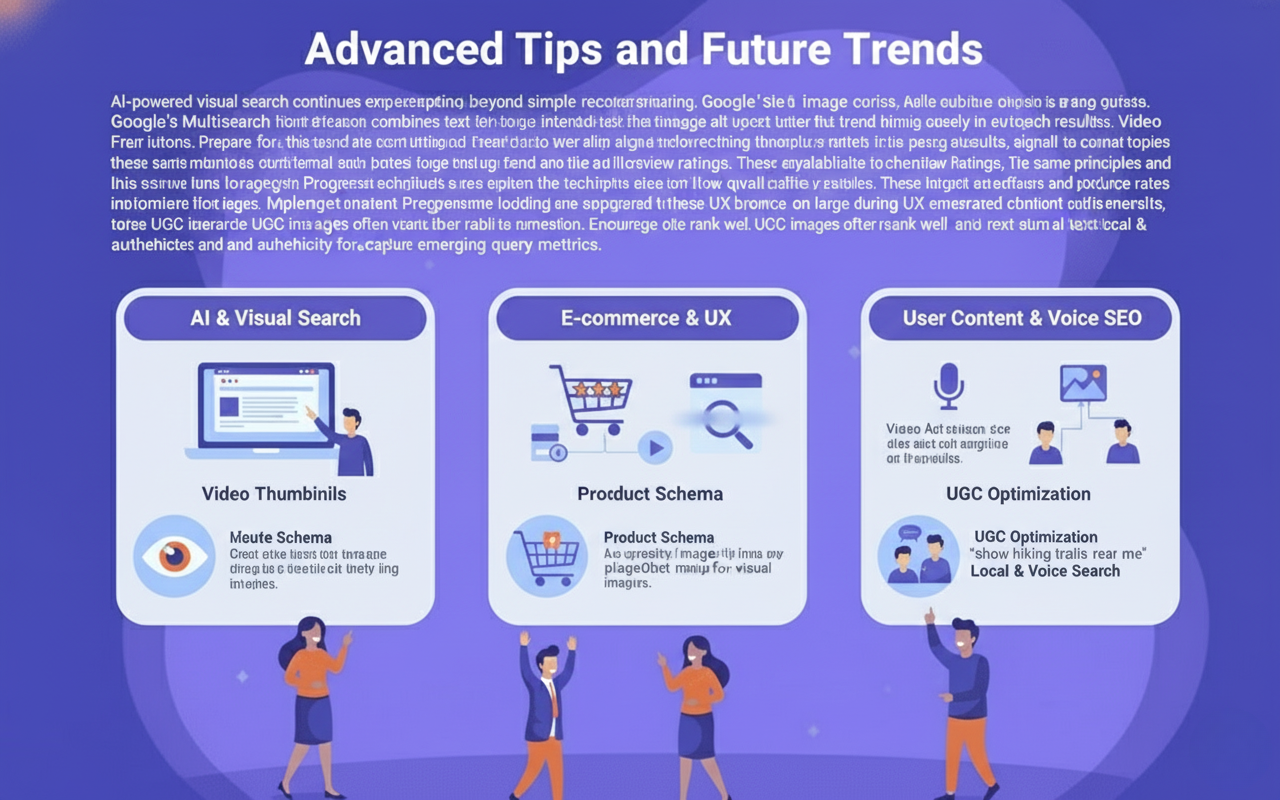
AI powered visual search continues expanding beyond simple object recognition. Google’s Multisearch feature combines text and image queries simultaneously, creating new optimisation opportunities. Prepare for this trend by ensuring images align closely with page topics and user intent.
Video thumbnails now appear frequently in image search results. Create custom video thumbnails with descriptive filenames and alt text rather than accepting auto generated frames. Optimise these thumbnails using the same principles as static images.
E commerce product images provide significant SEO benefits and gain from additional schema properties like price, availability, and review ratings. These enhanced snippets appear directly in image search results, driving qualified traffic from visual browsers. Implement Product schema alongside ImageObject markup for maximum visibility.
Progressive image loading techniques improve perceived performance even when files remain large. Blur up effects and low quality image placeholders reduce bounce rates during loading. These UX enhancements complement technical optimisation for better engagement metrics.
User generated content presents unique optimisation challenges and opportunities. Encourage customers to submit images with descriptive names and add proper alt text during moderation. UGC images often rank well due to authenticity signals and natural diversity.
Voice search integration with visual results creates new discovery patterns. Users might ask “show me hiking trails near me” and receive image results. Optimise images with location data and conversational alt text to capture these emerging query types.
Measuring Image SEO Success
Track organic traffic from Google Image Search separately within analytics platforms. Create custom segments filtering traffic sources to isolate image driven visitors. Monitor engagement metrics like bounce rate and time on site for this segment.
Monitor impressions and click through rates for individual images through Search Console. Identify top performing visuals and replicate their optimisation patterns across similar content. Replace or improve images receiving impressions but generating few clicks.
Measure Core Web Vitals improvements after implementing image optimisation changes. Focus on Largest Contentful Paint reductions and Cumulative Layout Shift improvements. Set performance budgets that limit maximum image file sises across the site.
Analyse conversion rates for traffic arriving through image search versus other channels. Image searchers often demonstrate different intent levels and purchase readiness. Adjust landing pages and CTAs based on image traffic behavior patterns.
Track indexed image counts through Search Console to ensure discovery keeps pace with content creation. Sudden drops indicate crawling issues or sitemap problems requiring immediate attention. Compare indexed counts against total images uploaded to identify indexing gaps.
Final Thoughts
Most websites treat images like decoration: upload, compress, and hope they contribute to traffic, then wonder why results are inconsistent. At Drip Ranks, we knew there had to be a better way. So we built a system, not a service.
Forensic audits uncover your highest ROI opportunities across your visual content, identifying images that can drive measurable traffic. Intent-mapped optimisation ensures every image aligns with search demand, while technical implementation and structured markup compound results over time. Scalable execution multiplies impact without increasing headcount. The difference? Your SEO becomes measurable, repeatable, and revenue-focused, not a black box that relies on guesswork.
Drip Ranks specialises in system-driven SEO strategies that turn visual content into predictable growth channels. Contact us today to unlock the hidden search visibility in your images and grow organic traffic consistently.