

Over 90% of online experiences begin with a search engine, yet most businesses struggle to appear on the first page of Google. Search engine optimisation has become the difference between thriving online businesses and invisible websites. Companies investing in proper SEO strategies see an average increase of 200% in organic traffic within six months.
Many business owners assume SEO is too technical or expensive to implement. The truth is that understanding SEO fundamentals can transform your digital presence and generate consistent leads without paid advertising. Modern SEO combines technical expertise, quality content creation, and strategic link building to help websites rank higher in search results.
Drip Ranks specialises in data driven SEO strategies that deliver measurable results for businesses across industries. Our team combines technical expertise with content excellence to help clients dominate their market search results. We understand that every business has unique goals and craft customised SEO roadmaps that align with your specific objectives.
This guide will explain exactly what SEO is, why it matters, how it works, and actionable strategies you can implement today. You’ll discover common mistakes to avoid and tools that streamline your optimisation efforts.
What is SEO?
SEO stands for search engine optimisation, which is the practice of improving website visibility in organic search engine results. When someone searches for products, services, or information on Google, optimised websites appear higher in the results without paying for ads. This process involves optimising website structure, content quality, and external authority signals to match search engine algorithms.
Search engines use complex algorithms to determine which pages best answer user queries. Websites that follow optimisation best practices signal relevance and trustworthiness to these algorithms. The goal is not to trick search engines but to genuinely provide the best possible answer to searcher questions.
Effective SEO requires understanding three core components: technical optimisation, on page content, and off page authority. Technical SEO ensures search engines can crawl and index your site properly. On page optimisation involves creating valuable content with proper keyword usage and formatting. Off page SEO builds your website’s authority through quality backlinks and brand mentions.

Why is SEO Important for Your Business?
Organic search drives 53% of all website traffic, making it the largest source of online visitors for most businesses. Paid advertising stops generating traffic the moment you stop paying, but SEO continues delivering results long after implementation. Websites ranking on the first page of Google receive 92% of all search traffic for their target keywords.
SEO provides exceptional return on investment compared to traditional marketing channels. The average cost per lead through organic search is 61% lower than outbound marketing methods like cold calling or direct mail. Businesses establishing strong organic rankings build sustainable traffic sources that compound over time.
Search engine optimisation also builds credibility and trust with potential customers. Studies show 75% of users never scroll past the first page of search results, associating top rankings with industry authority. When your business appears at the top for relevant searches, customers perceive you as a leading solution provider. SEO also captures users at every stage of the buying journey, from initial research to final purchase decisions.
How Does SEO Work?
Search engines use automated programs called crawlers or spiders to discover and analyse web pages across the internet. These crawlers follow links from page to page, collecting information about content, structure, and connections between websites. Google processes over 40,000 search queries every second, requiring sophisticated systems to organise and rank billions of web pages.
After crawling, search engines index the collected information in massive databases organised by relevance signals. When someone performs a search, algorithms analyse hundreds of ranking factors to determine which pages best match the query intent. These factors include content quality, page speed, mobile friendliness, backlink authority, and user engagement metrics.
Google’s algorithm updates continuously, with major changes like helpful content updates reshaping the ranking landscape. Modern algorithms prioritise expertise, authoritativeness, and trustworthiness, often abbreviated as E-A-T. Machine learning systems now analyse user behavior patterns to refine results based on what searchers actually find helpful. Search engines also personalise results based on location, search history, and device type to deliver the most relevant experience.
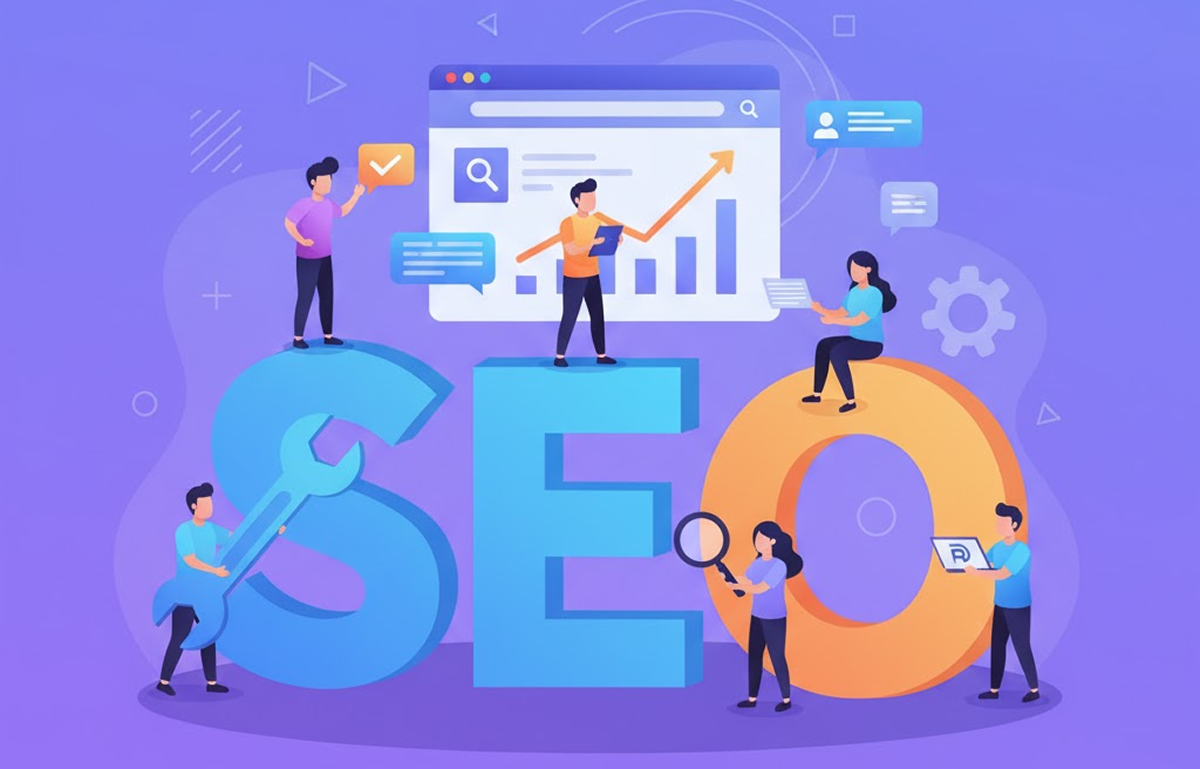
Core SEO Ranking Factors to Master
Content quality remains the single most important ranking factor in modern search engine optimisation. Google rewards comprehensive, well researched content that thoroughly answers user questions better than competing pages. Your content should demonstrate expertise through specific examples, data, and practical insights that visitors cannot find elsewhere.
Backlink profile strength directly impacts how search engines assess your website’s authority. Links from reputable websites in your industry signal that your content is trustworthy and valuable. Quality matters far more than quantity, with one link from an authoritative domain outweighing dosens from low quality sources.
Technical performance factors like page speed and mobile optimisation significantly affect rankings and user experience. Google now uses mobile first indexing, meaning the mobile version of your site determines desktop rankings. Core Web Vitals metrics measure loading speed, interactivity, and visual stability, with poor scores harming rankings. Site architecture and internal linking help search engines understand your content hierarchy and distribute authority throughout your website.
SEO Best Practices and Proven Strategies
Comprehensive keyword research forms the foundation of successful optimisation campaigns. Identify search terms your target audience actually uses when looking for solutions you provide. Focus on long tail keywords with clear commercial intent rather than chasing high volume generic terms dominated by major brands.
Create content hubs that thoroughly cover topics through interconnected articles and resources. This pillar and cluster model establishes topical authority by demonstrating comprehensive expertise. Each cluster article should link to a central pillar page while targeting specific long tail variations of the main topic.
Optimise title tags and meta descriptions to improve click through rates from search results. Include your primary keyword naturally while communicating clear value propositions. Write compelling descriptions that answer the searcher’s question and create urgency to click. Use header tags strategically to structure content for both readability and keyword targeting.
Build high quality backlinks through guest posting, digital PR, and creating linkable assets like original research or interactive tools. Focus on earning links from websites with strong domain authority and topical relevance. Broken link building and resource page outreach offer scalable link acquisition opportunities. Monitor your backlink profile regularly to identify and disavow toxic links that could trigger penalties.
Common SEO Mistakes and Misconceptions
Keyword stuffing remains one of the most damaging mistakes businesses make when attempting optimisation. Overloading content with exact match keywords creates poor user experiences and triggers algorithm penalties. Modern search engines understand semantic relationships and prioritise natural language that genuinely helps readers.
Many businesses neglect mobile optimisation despite mobile devices generating 58% of global website traffic. Responsive design alone isn’t sufficient if mobile pages load slowly or display navigation issues. Test your website on actual mobile devices and optimise images, scripts, and layouts specifically for smaller screens.
Ignoring search intent causes websites to rank for keywords that never convert into customers. Someone searching “what is SEO” has different needs than someone searching “SEO agency near me” or “affordable SEO services.” Match your content format and depth to whether searches are informational, navigational, commercial, or transactional.
Expecting overnight results leads many businesses to abandon effective strategies prematurely. SEO typically requires three to six months before significant ranking improvements become visible. Algorithm trust builds gradually as search engines observe consistent quality signals. Patient, sustained optimisation efforts outperform sporadic campaigns every time.

Essential SEO Tools and Resources
Google Search Console provides invaluable insights directly from Google about how your site performs in search results. Monitor indexing status, discover technical errors, and identify which queries drive traffic to your pages. The URL Inspection tool helps diagnose why specific pages might not be ranking as expected.
Ahrefs and SEMrush offer comprehensive competitor analysis and keyword research capabilities. Analyse which keywords competitors rank for and identify content gaps you can fill. These platforms also provide backlink analysis to understand competitor link building strategies and find opportunities for your own campaigns.
PageSpeed Insights measures your website’s technical performance and identifies specific optimisation opportunities. Improving Core Web Vitals scores requires addressing render blocking resources, optimising images, and minimising JavaScript execution time. Screaming Frog SEO Spider crawls your website to identify technical issues like broken links, duplicate content, and missing meta tags.
Surfer SEO and Clearscope analyse top ranking content to provide data driven optimisation recommendations. These tools identify semantic keywords, optimal content length, and structural elements that improve topical relevance. Answer the Public helps discover question based searches that inform content creation targeting featured snippets.
Advanced SEO Techniques for Competitive Markets
Schema markup provides structured data that helps search engines understand content context and display rich results. Implementing FAQ schema, product schema, or local business schema can earn enhanced search listings with star ratings, pricing, or event information. Rich snippets increase click through rates by 30% on average compared to standard listings.
Voice search optimisation requires adapting content for conversational queries and question based searches. Featured snippets often serve as voice search answers, making snippet optimisation doubly valuable. Create content that directly answers “who, what, when, where, why, and how” questions in concise 40, 50 word paragraphs.
International SEO expands reach by optimising for multiple languages and geographic markets. Implement hreflang tags to indicate language and regional targeting to search engines. Create localised content that addresses cultural nuances rather than simply translating existing pages.
Video SEO capitalises on YouTube being the world’s second largest search engine. Optimise video titles, descriptions, and transcripts with relevant keywords while creating valuable content that earns engagement. Embed videos on relevant website pages to increase dwell time and provide multimedia experiences that improve rankings.

The Future of SEO and Emerging Trends
Artificial intelligence and machine learning continue reshaping how search engines evaluate and rank content. Google’s BERT and MUM algorithms understand context and nuance far better than previous systems. Content must demonstrate genuine expertise and thoroughly satisfy user intent rather than simply matching keywords.
User experience signals play increasingly important roles in ranking algorithms as Google measures actual visitor behavior. Bounce rate, time on page, and pages per session indicate whether users find your content valuable. Websites that visitors immediately abandon after clicking from search results see ranking penalties over time.
Zero click searches now account for nearly 65% of Google searches as featured snippets and knowledge panels answer questions directly. Optimize for position zero by providing concise, authoritative answers to common questions in your industry. While zero click searches reduce website visits, they build brand awareness and establish thought leadership.
Local SEO grows more sophisticated with Google’s local service ads and enhanced business profiles. Businesses serving specific geographic areas must optimise Google Business Profiles, earn positive reviews, and maintain consistent NAP citations. Proximity to searchers now significantly impacts local pack rankings, making location specific content optimisation crucial.
Final Thoughts
Most businesses still approach SEO as a guessing game publishing content, waiting for rankings, and hoping it turns into leads. At Drip Ranks, we take a different approach. We don’t just deliver SEO services; we build repeatable SEO systems designed to generate predictable, qualified pipeline.Our process starts with forensic technical and content audits to uncover the highest-ROI opportunities. We map content to real search intent across the entire buyer journey and pair it with technical excellence and authority building that scales. By combining data, automation, and strategy, we turn SEO into a measurable growth channel focused on rankings, traffic, and revenue, not blind faith.