

Over 8.5 billion searches happen on Google every single day. Behind each query lies a complex system that determines which websites appear first and which remain buried on page ten. Most business owners know search engines exist, yet few understand how these digital gatekeepers actually decide what content deserves top placement.
Search engine basics form the foundation of every successful online marketing strategy. Without grasping how Google crawls, indexes, and ranks web pages, your content remains invisible to potential customers actively searching for your products or services. The competition for visibility has never been fiercer, with more than 1.13 billion websites competing for attention.
This guide breaks down search engine fundamentals into actionable insights you can use immediately. You’ll discover how search algorithms evaluate quality, why certain pages outrank others, and which ranking factors matter most in 2025. Whether you’re launching a new website or improving an existing one, understanding these core principles separates thriving businesses from those struggling to get noticed online.
What is a Search Engine?
A search engine is specialized software that scans billions of web pages and organizes them into a searchable database. When users type queries, the engine retrieves the most relevant results within milliseconds. Google, Bing, and Yahoo represent the most popular options, with Google commanding over 92% of global market share.
These platforms use automated programs called crawlers or spiders to discover new and updated content across the internet. The crawler follows links from one page to another, gathering data about text, images, videos, and site structure. This continuous process ensures search indexes remain current with fresh information.
Search engines serve as digital libraries for the internet, but instead of using card catalogs, they employ sophisticated algorithms. These mathematical formulas evaluate hundreds of signals to determine which pages best answer specific questions. The entire system exists to connect people with helpful information as quickly and accurately as possible.
Why Search Engine Basics Matter for Business Growth
Understanding search engine fundamentals directly impacts your bottom line by controlling how customers find you online. Companies appearing on the first page receive 91.5% of all traffic, while those on page two or beyond capture less than 5%. Your position in search results determines whether potential buyers discover your brand or choose competitors instead.
Organic search drives more website visitors than any other channel, including social media and paid advertising combined. Unlike paid clicks that stop the moment you pause campaigns, organic rankings provide sustainable traffic month after month. Businesses mastering search engine basics reduce customer acquisition costs while building long term visibility.
Search visibility also establishes credibility and trust with new audiences. Most consumers perceive top ranked websites as industry leaders and reliable sources. When your business appears prominently for relevant searches, you gain authority that translates into higher conversion rates and customer lifetime value.
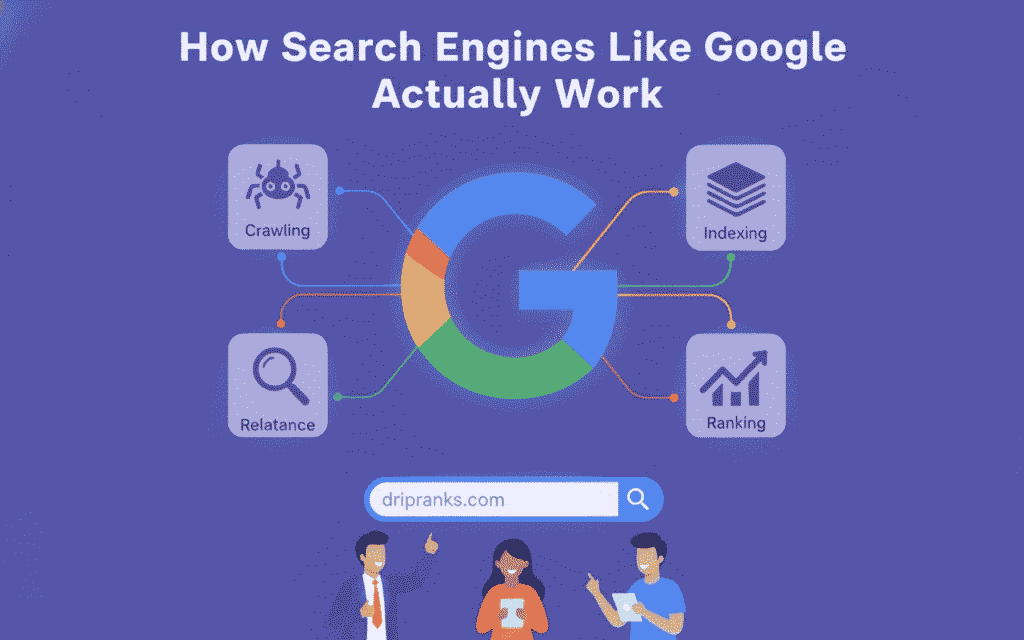
How Search Engines Work: The Three Step Process
Search engines operate through three distinct phases that transform raw web data into organized results. The first step involves crawling, where automated bots scan websites to discover content. These crawlers access your site through links, sitemaps, and previous visit history, examining every accessible page. For the faster crawling and indexind you should have basic knowledge of how SEO works.
After crawling, search engines move to the indexing phase where they analyze and store discovered content. The system evaluates page topics, keywords, images, and user experience signals. This information gets organized in massive databases that enable quick retrieval when someone searches related terms.
The final step happens instantly when users type queries into the search box. Ranking algorithms evaluate indexed pages using hundreds of factors to determine the best matches. The system considers relevance, quality, authority, and user intent to display results in order of predicted usefulness.
Core Ranking Factors You Need to Know
Content quality stands as the most influential ranking signal search engines evaluate. Pages offering comprehensive, accurate, and helpful information consistently outperform thin or duplicated content. Google specifically looks for expertise, authoritativeness, and trustworthiness when determining which pages deserve top positions for competitive queries.
Backlinks from other reputable websites act as votes of confidence in your content. Search algorithms interpret these external links as endorsements, boosting your site’s authority. The quality and relevance of linking domains matter more than sheer quantity, with links from industry leaders carrying substantial weight.
Technical performance directly affects how search engines access and understand your website. Page speed, mobile responsiveness, secure connections, and clean code structure all influence rankings. Sites that load quickly and function smoothly across devices provide better experiences that algorithms reward with higher visibility.
User engagement metrics reveal how well your content satisfies searcher intent. Click through rates, time on page, and bounce rates signal whether visitors find your pages helpful. Search engines monitor these behavioral patterns to refine which results appear for specific queries.
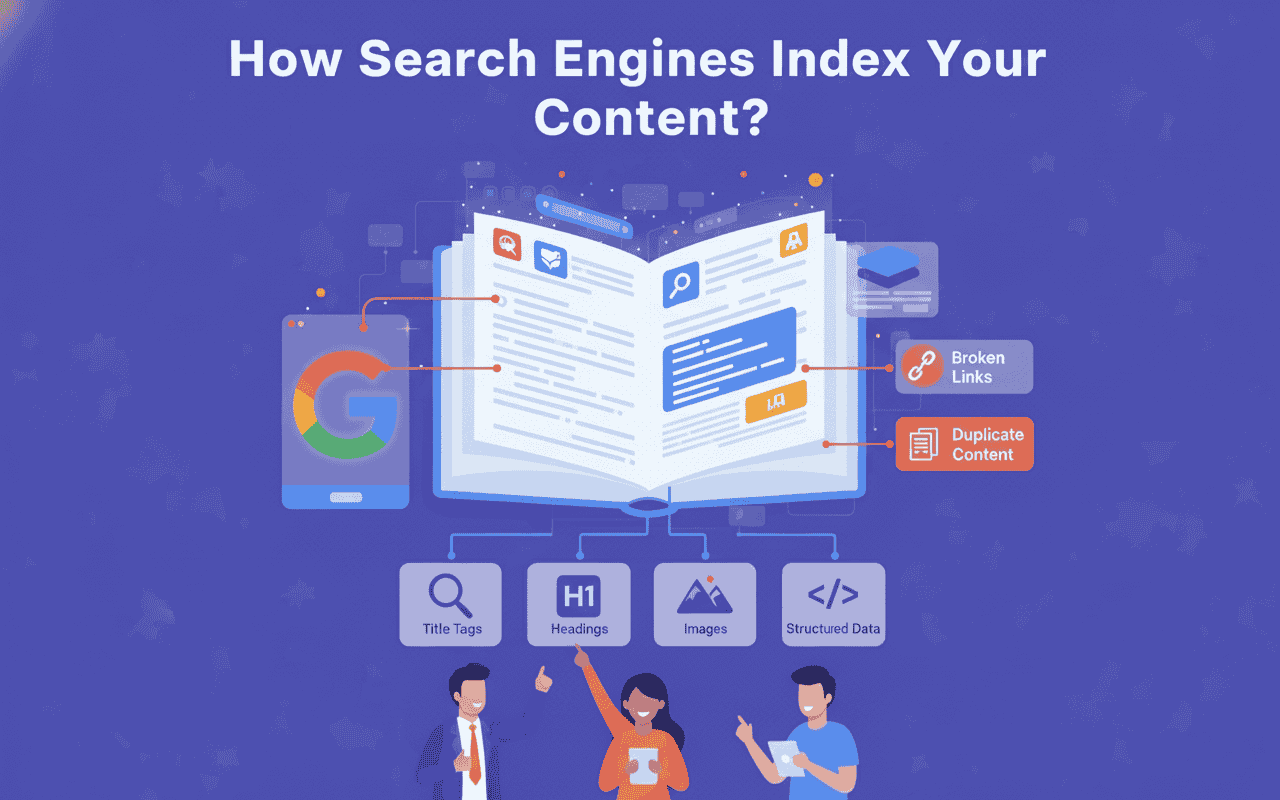
How Search Engine Index Your Content?
Start by conducting thorough keyword research to identify terms your target audience actually uses. Tools like Google Keyword Planner reveal search volumes and competition levels for different phrases. Focus on topics matching your expertise where you can provide genuinely useful information rather than chasing high volume keywords beyond your reach.
Create content that answers specific questions and solves real problems your customers face. Structure articles with clear headings, short paragraphs, and scannable formatting that makes information easy to digest. Include relevant examples, statistics, and actionable advice that demonstrates your knowledge and helps readers accomplish their goals.
Optimize technical elements including title tags, meta descriptions, header tags, and URL structures. Each page should target one primary topic with supporting keywords naturally integrated throughout the content. Avoid keyword stuffing or manipulative tactics that trigger algorithmic penalties.
Build quality backlinks through guest posting, digital PR, and creating shareable resources other sites want to reference. Reach out to industry publications, partner websites, and complementary businesses to explore linking opportunities. Natural link acquisition happens when you publish remarkable content worth citing. Check complete beginner guide on how to do SEO for the batter optimization
Common Mistakes That Hurt Search Rankings
Keyword stuffing remains one of the most frequent errors that damages search performance. Overloading pages with repetitive phrases creates awkward reading experiences while triggering spam filters. Search algorithms recognize unnatural language patterns and penalize sites prioritizing keywords over user value.
Neglecting mobile optimization costs businesses significant traffic as more than 60% of searches now happen on smartphones. Sites that don’t adapt layouts for smaller screens frustrate visitors and receive lower rankings in mobile search results. Google uses mobile first indexing, meaning the mobile version determines your overall search position.
Duplicate content confuses search engines about which version to rank for specific queries. Copying text from other websites or repeating identical content across multiple pages dilutes your authority. Each page should offer unique value with original insights that justify its existence in search indexes.
Ignoring user intent leads to high bounce rates when content doesn’t match what searchers actually want. A page optimized for “pizza delivery” should provide ordering options, not pizza history. Understanding whether queries seek information, navigation, or transactions ensures your content aligns with user needs.
Tools and Resources for Search Success
Google Search Console provides direct insights into how the search engine views your website. This free platform reveals which queries drive traffic, identifies indexing issues, and highlights technical problems affecting performance. Regular monitoring helps you spot opportunities and fix errors before they impact rankings.
Keyword research tools like SEMrush, Ahrefs, and Moz uncover search volumes, competition levels, and related terms. These platforms analyze competitor strategies, track ranking changes, and suggest content opportunities. Even basic free versions offer valuable data for improving your search strategy.
Page speed testing tools including Google PageSpeed Insights and GTmetrix measure load times and identify performance bottlenecks. Fast loading sites rank better and convert more visitors into customers. These tools provide specific recommendations for reducing file sizes and optimizing code.
Analytics platforms track visitor behavior, traffic sources, and conversion patterns across your website. Understanding which pages attract search traffic and how users interact with content guides optimization priorities. Data driven decisions consistently outperform guesswork when improving search performance.
Understanding Search Intent and User Behavior
Search intent describes the underlying goal behind each query users type into search boxes. Someone searching “best running shoes” wants product recommendations, while “how to tie running shoes” seeks instructional content. Matching your content format and depth to these different intents determines whether pages satisfy visitors.
Informational intent drives queries where users want to learn or understand something new. These searches often start with question words and require comprehensive explanations. Creating detailed guides, tutorials, and educational resources captures this audience segment.
Commercial intent appears when researchers compare options before making purchase decisions. Review articles, comparison charts, and product breakdowns serve these users. Providing honest evaluations helps readers make informed choices while positioning your brand as a trusted advisor.
Transactional intent signals immediate readiness to take action or complete a purchase. These searches include terms like “buy,” “order,” or specific product names. Optimized product pages, clear calls to action, and streamlined checkout processes convert this high value traffic.
Future Trends Shaping Search Technology
Artificial intelligence continues transforming how search engines understand and rank content. Machine learning algorithms now interpret context, synonyms, and semantic relationships beyond simple keyword matching. Creating naturally written, comprehensive content that covers topics thoroughly aligns with these advanced systems.
Voice search adoption grows as smart speakers and mobile assistants become mainstream. These queries use conversational language and longer phrases compared to typed searches. Optimizing for natural questions and featured snippet formats captures this expanding search method.
Visual search allows users to upload images instead of typing text queries. Search engines analyze photo content to identify products, landmarks, or similar images. Optimizing image file names, alt text, and surrounding content helps your visual assets appear in these results.
Local search importance increases as mobile users seek nearby businesses and services. Google prioritizes location based results for queries with local intent. Claiming business listings, gathering reviews, and creating location specific content improves visibility in your geographic market.
Final Words
Most SaaS, B2B, and agency teams treat SEO as a guessing game: follow basic rules, publish content, and wonder why it doesn’t drive predictable results. At Drip Ranks, we knew there had to be a better way. So we built a system, not a service.
Forensic audits uncover your highest-ROI opportunities, revealing which technical fixes, content improvements, and ranking factors will move the needle fastest. Intent-mapped content targets real user needs at every stage of the buyer journey, while ongoing optimisation compounds results over time. Scalable execution ensures growth without multiplying headcount. The difference? Your SEO becomes measurable, repeatable, and revenue-focused, not a black box that requires blind faith.
Drip Ranks handles everything from technical audits to content creation, letting you focus on running your business while we drive qualified traffic and improve search visibility. Contact us today to discover how a structured, data-driven SEO system can transform your online performance.