
Introduction
More than 90% of web pages receive sero organic traffic from Google. This shocking statistic reveals a common problem: websites fail to optimise the fundamental elements search engines use to rank content. While many businesses invest heavily in backlinks and content creation, they overlook the critical foundation that determines whether their pages will ever rank.
On-page optimisation controls how search engines understand, index, and rank your content. Unlike off-page factors, you have complete control over these elements. Every meta tag, header, image, and internal link sends signals that either boost or harm your search visibility.
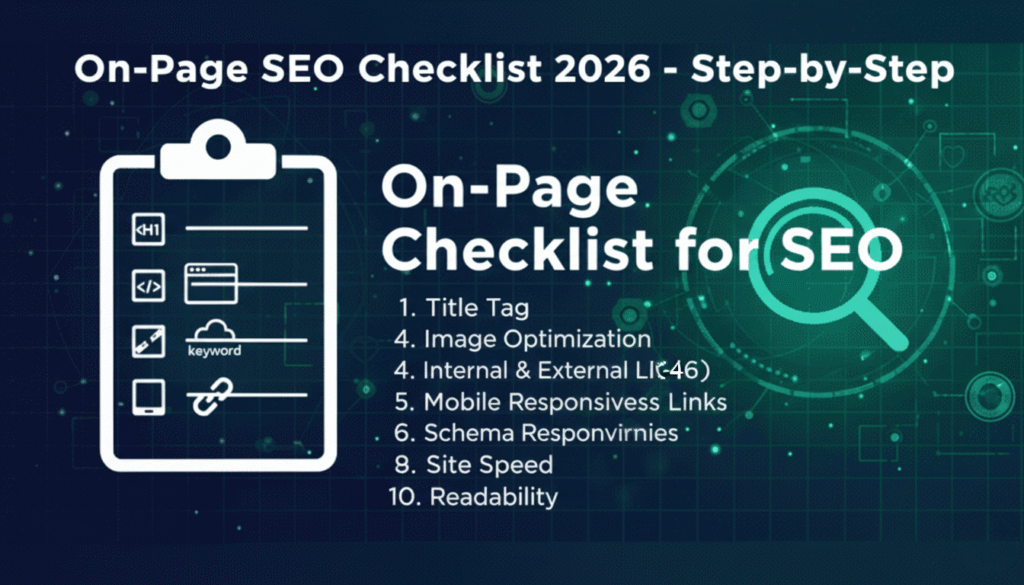
This comprehensive on-page checklist covers every element that affects your rankings. You will learn exactly what to optimise, how to implement changes correctly, and which mistakes sabotage your efforts. Whether you manage a small business site or an enterprise platform, these proven tactics will transform your search performance.
What is On-Page SEO?
On-page SEO refers to all optimisation tactics you apply directly to your web pages to improve search rankings. These elements include content quality, HTML tags, page structure, and user experience factors. Search engines analyse these signals to determine relevance and quality for specific queries.
Unlike off-page SEO that focuses on external signals like backlinks, on-page optimisation remains entirely under your control. You can adjust title tags, improve content depth, optimise images, and fix technical issues without relying on third parties. This makes on-page SEO the most accessible and immediate way to impact rankings.
Google’s algorithm weighs on-page factors heavily when determining which pages deserve top positions. A well-optimised page targeting the right keywords can outrank competitors with stronger domain authority. This explains why mastering on-page elements delivers consistent, measurable results for websites across all industries.
Why On-Page Optimisation Matters for Rankings
Search engines cannot rank what they cannot understand. On-page elements communicate your page’s topic, relevance, and value to both algorithms and human visitors. When optimised correctly, these signals align to create a clear path to higher rankings and increased organic traffic.
Google’s RankBrain and BERT updates prioritise understanding user intent and content context. Proper on-page optimisation helps these AI systems categorise your content accurately. This means your pages appear for the right searches at the right time, connecting with users actively seeking your information or solutions.
Conversion rates improve dramatically when on-page elements match visitor expectations. A page optimised for commercial intent with clear CTAs converts better than a generic information page. On-page SEO does not just bring traffic; it attracts qualified visitors ready to take action, directly impacting your bottom line.
How Search Engines Evaluate On-Page Elements
Search crawlers scan your page’s HTML code to extract meaning and relevance signals. Title tags, header hierarchy, and semantic HTML structure guide these bots through your content. Clean, well-organised code helps crawlers index pages faster and understand relationships between content sections.
Natural language processing analyses your actual content for topic depth and keyword relevance. Google evaluates how thoroughly you cover a subject compared to competing pages. Pages demonstrating comprehensive expertise through detailed explanations, examples, and supporting data earn higher quality scores.
User engagement metrics provide real-world validation of your on-page quality. Click-through rates, time on page, and bounce rates signal whether visitors find your content valuable. Search engines use these behavioral signals to adjust rankings, rewarding pages that genuinely satisfy user intent.
Essential Title Tag Optimisation
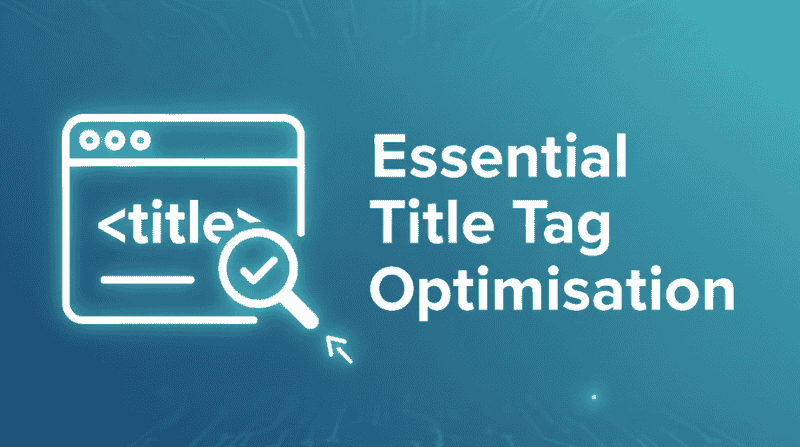
Your title tag remains the single most important on-page ranking factor. This HTML element tells search engines and users what your page covers. Place your primary keyword within the first 50 characters to maximise visibility and relevance signals.
Power words and numbers increase click-through rates by 20-30% in search results. Include specific benefits or outcomes that differentiate your page from competitors. A title like “On-Page Checklist: 23 Steps to Rank Higher Fast” outperforms generic alternatives through clarity and promised value.
Keep titles between 50-60 characters to prevent truncation in search results. Mobile displays show even fewer characters, making brevity critical. Test variations using search console data to identify which formats generate the highest CTR for your target queries.
Meta Description Best Practices
Meta descriptions do not directly affect rankings but control whether users click your result. Write compelling descriptions between 150-155 characters that highlight your unique value proposition. Include your primary keyword naturally within the first 100 characters.
Action-oriented language drives higher engagement rates than passive descriptions. Start with active verbs that command attention and communicate clear benefits. Phrases like “Master on-page SEO”, “Boost rankings”, or “Convert more traffic” create urgency and promise tangible outcomes.
Google often rewrites meta descriptions to better match specific queries. This happens when your description does not align with search intent or lacks relevance. Writing multiple variations for different keyword themes increases the chance Google displays your preferred text.
Header Tag Hierarchy and Structure
Header tags organise content into scannable sections that improve user experience and SEO. Your H1 tag should contain your primary keyword and appear only once per page. This establishes your main topic clearly for both visitors and search algorithms.
H2 tags divide your content into major sections covering distinct subtopics. Include secondary keywords naturally in these headings to target related search queries. Each H2 section should contain 150-200 words of detailed content that fully addresses the subtopic.
H3 and H4 tags create further subdivision within H2 sections when needed. This hierarchical structure helps search engines understand content relationships and topic depth. Proper header use also improves accessibility for screen readers and users with disabilities.
Content Quality and Depth Requirements
Content length correlates with higher rankings because comprehensive coverage signals expertise. Target 1,200-1,500 words minimum for competitive keywords, though longer content often performs better. Focus on covering topics thoroughly rather than hitting arbitrary word counts.
Each paragraph should communicate one clear idea using 30-50 words maximum. Short paragraphs improve readability on mobile devices and keep readers engaged. Break up long blocks of text with headers, images, or white space every 150-200 words.
Answer questions your target audience actually asks using natural, conversational language. Include specific examples, case studies, or data points that demonstrate real-world application. Generic advice fails to rank; pages that provide unique insights and actionable steps earn authority.
Keyword Placement and Density Guidelines
Include your primary keyword in the first 100 words to establish topic relevance immediately. This early placement signals to search engines what your page covers. Natural repetition throughout the content maintains topical focus without triggering spam filters.
Target 1-2% keyword density to avoid over-optimisation penalties while maintaining relevance. This means your primary keyword appears 12-24 times in a 1,200-word article. Focus more on semantic variations and related terms that demonstrate topic expertise.
Latent semantic indexing terms help search engines understand your content’s context and depth. Include synonyms, related concepts, and industry terminology naturally throughout your content. Tools like LSI Graph or Google’s related searches reveal these supporting terms.
Image Optimisation Techniques
Images improve engagement but slow page speed when not optimised correctly. Compress all images to reduce file sise while maintaining visual quality. Tools like TinyPNG or ImageOptim reduce file sises by 60-80% without noticeable quality loss.
Alt text provides critical accessibility support and keyword opportunities. Describe images clearly using 10-15 words that include relevant keywords naturally. This helps visually impaired users and allows search engines to understand image content.
File names should describe image content using descriptive keywords separated by hyphens. Replace generic names like “IMG_1234.jpg” with “on-page-seo-checklist-guide.jpg” to provide additional context. This small detail contributes to image search rankings and overall page relevance.
Internal Linking Strategy
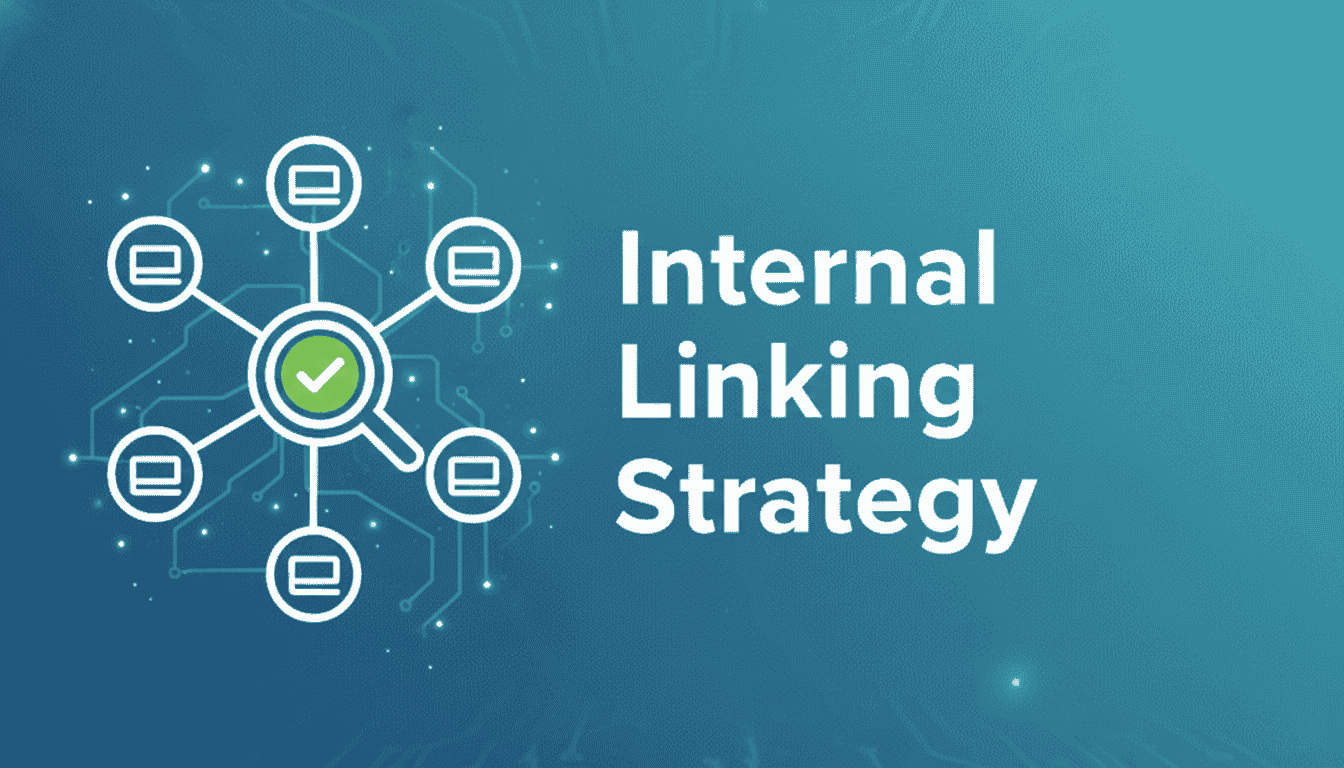
Internal links distribute page authority throughout your site and guide users to related content. Include 3-5 contextual internal links per page pointing to relevant supporting articles. This keeps visitors engaged longer and reduces bounce rates.
Anchor text should describe the linked page’s content using natural, keyword-rich phrases. Avoid generic anchors like “click here” that waste SEO value. Descriptive anchors like “complete keyword research guide” clearly communicate destination content.
Link to both high-authority pages and newer content needing visibility. This balanced approach shares ranking power while helping search engines discover and index new pages faster. Strategic internal linking can boost rankings for target pages by 20-40%.
URL Structure Optimisation
Clean, descriptive URLs improve click-through rates and provide ranking signals. Keep URLs short, using only necessary keywords separated by hyphens. Remove stop words like “and”, “the”, or “of” to create concise, readable paths.
Include your primary keyword in the URL slug to reinforce topic relevance. A URL like “yoursite.com/on-page-checklist-seo” clearly indicates page content. This transparency builds user trust and helps search engines categorise your content correctly.
Avoid changing URLs after publication without implementing proper 301 redirects. URL changes lose accumulated ranking power and can break existing backlinks. Plan URL structure carefully during initial setup to prevent future complications.
Mobile Responsiveness Requirements
Over 60% of searches occur on mobile devices, making mobile optimisation mandatory. Google uses mobile-first indexing, meaning your mobile version determines rankings. Test your site using Google’s Mobile-Friendly Test tool to identify issues.
Responsive design adapts content to different screen sises automatically. This approach provides optimal viewing experiences across devices without maintaining separate versions. Ensure buttons, forms, and navigation elements remain easily clickable on small screens.
Page speed matters even more on mobile where connection speeds vary. Minimise JavaScript, optimise images, and enable browser caching to achieve load times under three seconds. Mobile users abandon slow pages quickly, directly impacting bounce rates and rankings.
Page Speed Optimisation
Page load speed directly affects rankings and user satisfaction. Google considers sites loading in under two seconds optimal for user experience. Analyse your speed using PageSpeed Insights and prioritise recommended fixes.
Large images represent the most common speed issue for most websites. Implement lasy loading to defer offscreen images until users scroll. Compress all media files and use next-gen formats like WebP for smaller file sises.
Minimise HTTP requests by combining CSS files, reducing plugins, and eliminating unnecessary scripts. Each request adds load time, particularly on slower connections. Streamlined code and efficient resource loading create faster, better-ranking pages.
Schema Markup Implementation
Schema markup helps search engines understand your content’s context and purpose. Add structured data for articles, products, reviews, FAQs, and other content types. This enables rich snippets that increase visibility and click-through rates.
FAQ schema creates expandable questions directly in search results. This format captures featured snippet positions and provides immediate value to searchers. Implement FAQ schema on pages answering common customer questions.
Article schema signals publication date, author, and content type to search engines. This structured data improves how your content appears in Google Discover and news feeds. Use Google’s Structured Data Testing Tool to validate implementation.
User Experience Signals
Bounce rate indicates whether visitors find your content relevant and engaging. High bounce rates suggest misalignment between page content and user expectations. Improve relevance by matching content closely to search intent for target keywords.
Dwell time measures how long visitors stay on your page before returning to search results. Longer dwell times signal valuable content that deserves higher rankings. Create engaging, comprehensive content that fully answers user questions.
Click-through rate from search results reflects how compelling your titles and descriptions appear. Low CTR limits traffic even when ranking well. Use tools like Search Console to monitor CTR and test different title formats and meta descriptions to identify high-performing combinations.
Common On-Page SEO Mistakes
Keyword stuffing damages rankings and creates poor user experiences. Search engines penalise unnatural keyword repetition that prioritises algorithms over readers. Write naturally for humans first, incorporating keywords where they fit contextually.
Duplicate content confuses search engines about which version to rank. Ensure each page targets unique keywords and provides distinct value. Use canonical tags when similar content must exist on multiple pages.
Ignoring search intent causes high bounce rates and poor engagement. A page optimised for commercial keywords should include product information and clear CTAs. Match content format and depth to what users expect when searching specific queries.
Final Words
Most SaaS, B2B, and agency teams treat on-page optimisation like a checklist: tweak a few elements, hope pages rank, and wonder why organic traffic isn’t predictable. At Drip Ranks, we knew there had to be a better way. So we built a system, not a service.
Forensic audits uncover your highest ROI opportunities, showing exactly where on-page improvements, titles, headers, content, and internal links, can boost relevance, authority, and user engagement. Intent-mapped strategies ensure every optimisation aligns with the buyer journey, while scalable execution multiplies results without increasing headcount. The difference? Your SEO becomes measurable, repeatable, and revenue-focused, not a black box that relies on guesswork.
Drip Ranks specialises in comprehensive on-page optimisation that delivers measurable results. Our team conducts detailed audits, implements proven tactics, and monitors performance to ensure pages achieve their full ranking potential. Contact us today for a free SEO audit and discover how professional on-page optimisation can transform your search visibility and drive business growth.