
Search engines process over 8.5 billion queries daily, and each search begins with keywords. Yet most website owners still struggle to understand which keywords actually drive traffic and conversions. The difference between ranking on page one versus page ten often comes down to how well you identify and optimize for the right search terms.
Keywords in SEO form the bridge between what people search for and the content you create. When you master keyword research and implementation, you unlock the ability to appear exactly when your ideal customers need your services. This guide reveals how to find profitable keywords, avoid common targeting mistakes, and use them strategically across your website.
Drip Ranks specializes in helping businesses discover high-converting keywords and implement them through proven SEO strategies. Whether you’re launching a new site or improving existing rankings, understanding keywords is your first step toward sustainable organic growth. You’ll learn practical methods to research, analyze, and deploy keywords that actually move the needle for your business.
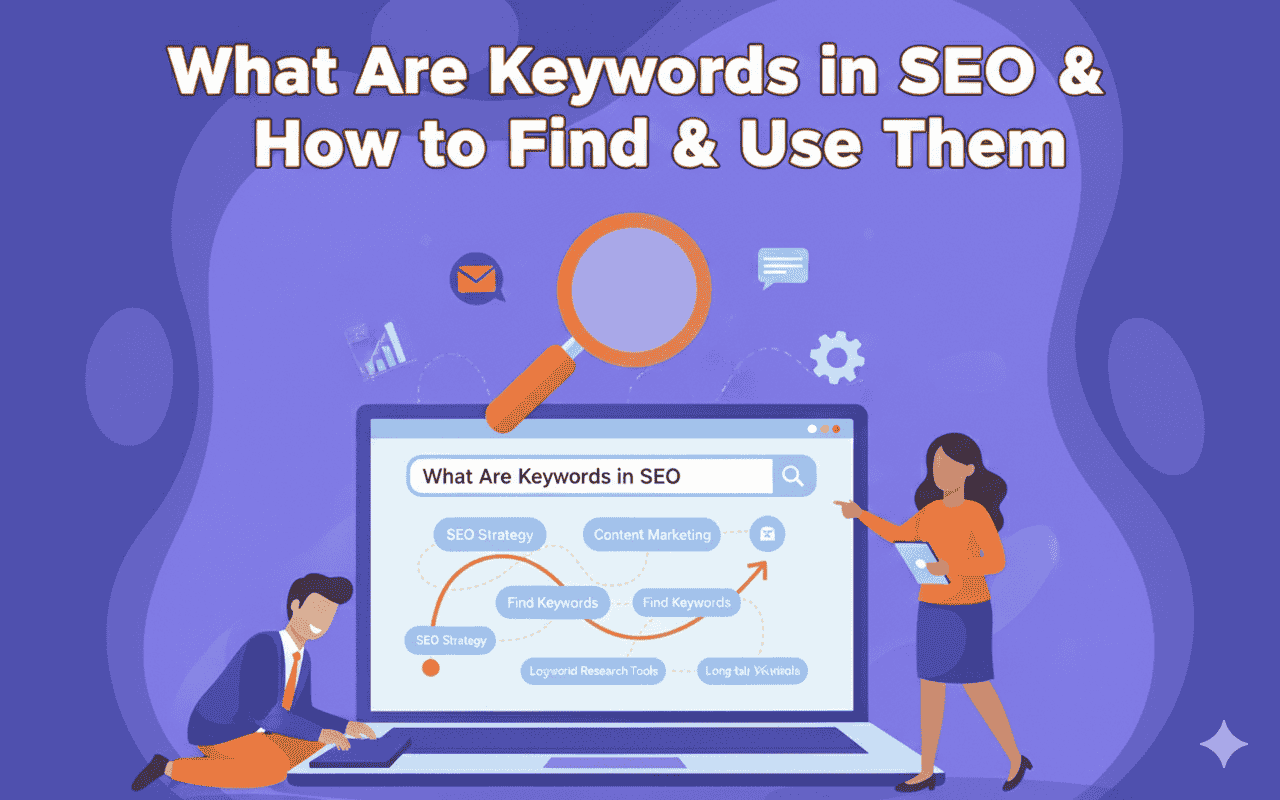
What Are Keywords in SEO?
Keywords are specific words and phrases that users type into search engines when looking for information, products, or services. They serve as signals that help search algorithms understand what your content covers and match it with relevant queries. Every webpage should target a primary keyword plus related semantic variations.
Search engines analyze keyword placement, frequency, and context to determine relevance. When someone searches for “affordable running shoes,” Google scans billions of pages to find those that best match this intent. Pages optimized for this exact phrase and related terms like “cheap athletic footwear” or “budget sneakers” stand better chances of ranking.
Modern SEO treats keywords as topics rather than exact-match phrases. Google’s algorithm now understands synonyms, user intent, and contextual meaning. This means you should write naturally about topics while strategically including your target keywords in titles, headings, and body content without forced repetition.
Why Are Keywords in SEO Important?
Keywords determine whether your target audience can find you through organic search. Without proper keyword targeting, even exceptional content remains invisible to people actively searching for what you offer. They form the foundation of every successful SEO campaign and content marketing strategy.
Proper keyword research reveals what your customers actually search for, not what you assume they type. This gap between business language and customer language costs companies millions in missed opportunities. A law firm might call it “legal representation” while searchers type “need a lawyer near me.”
Keywords also guide your content creation priorities and help you understand market demand. Search volume data shows which topics generate the most interest, allowing you to allocate resources effectively. Pages targeting high-volume, low-competition keywords deliver the best return on investment for content efforts.
How Do Keywords in SEO Work?
Search engines use complex algorithms to crawl, index, and rank web pages based on hundreds of factors. Keywords help these systems categorize your content and determine its relevance for specific queries. When you optimize a page for “commercial cleaning services,” Google analyzes how naturally and thoroughly you cover this topic.
The search algorithm evaluates keyword placement in critical areas including title tags, meta descriptions, headers, and opening paragraphs. It also assesses keyword density, related terms, and overall content quality. Pages that comprehensively answer search queries while using keywords naturally tend to outrank those with thin content or keyword stuffing.
User behavior signals also influence how keywords impact rankings. When searchers click your result, stay on your page, and don’t return to search results, Google interprets this as satisfaction. Your keyword targeting succeeded if people find exactly what they searched for on your page.
Types of Keywords You Should Know
Short-tail keywords contain one to two words and generate massive search volume but intense competition. Terms like “shoes” or “marketing” attract millions of monthly searches yet prove nearly impossible to rank for without enormous authority. These broad terms rarely convert well because intent remains unclear.
Long-tail keywords include three or more words and represent specific search intent. Phrases like “waterproof hiking boots for women” attract fewer monthly searches but convert at much higher rates. These searchers know exactly what they want and are closer to making purchase decisions.
Local keywords include geographic modifiers and target customers in specific areas. Searches like “dentist in Austin Texas” or “pizza delivery near me” signal high commercial intent. Local businesses must optimize for these terms to appear in map packs and local search results.
Commercial keywords indicate purchase readiness through words like “buy,” “pricing,” “best,” or “review.” These terms convert better than informational keywords because searchers are evaluating options. Pages targeting commercial keywords should include clear calls to action and conversion paths.
Best Keyword Research Strategies
Start your keyword research by listing topics relevant to your business and what problems you solve for customers. Brainstorm seed keywords that describe your products, services, and industry. These initial terms form the foundation for discovering hundreds of related keyword opportunities. Before doing keyword research you should have to know how the SEO works.
Use keyword research tools like Google Keyword Planner, Ahrefs, or SEMrush to expand your seed list. These platforms reveal search volume, competition levels, and related phrases people actually use. Look for keywords with decent monthly searches and competition levels matching your website’s current authority.
Analyze competitor keywords to find gaps in your strategy. Enter competing websites into research tools to see which terms drive their traffic. You’ll discover valuable keywords they rank for that you haven’t targeted yet, plus opportunities where they’re weak.
Search “People Also Ask” boxes and “Related Searches” at the bottom of Google results reveal real questions and variations. These free resources show exactly what users want to know about your topic. Turn these questions into content topics and optimize for question-based keywords.
Consider search intent behind every keyword before targeting it. Informational keywords suit blog posts and guides, while commercial keywords work better for service and product pages. Matching content type to search intent dramatically improves your chances of ranking and converting visitors.
How to Use Keywords Effectively on Your Website
Place your primary keyword in the title tag, preferably near the beginning, to signal relevance immediately. Keep titles under 60 characters so they display fully in search results. This critical element heavily influences both rankings and click-through rates from search pages.
Include your target keyword naturally in the first 100 words of your content. This early placement helps search engines quickly understand your page topic. Write a compelling introduction that addresses the searcher’s need while incorporating your keyword smoothly.
Use keywords in H2 and H3 headings to structure content and reinforce topical relevance. Headings break up text for readability while signaling content hierarchy to search algorithms. Don’t force keywords into every heading, but include variations where they fit naturally.
Optimize meta descriptions with your primary keyword and a clear benefit statement. While meta descriptions don’t directly impact rankings, they influence click-through rates. A compelling description that includes your keyword can significantly increase traffic from search results.
Distribute keywords naturally throughout body content at a density of 1-2 percent. Focus on writing helpful, comprehensive content rather than hitting specific keyword counts. Modern algorithms penalize keyword stuffing while rewarding content that thoroughly covers topics with natural language.
Add keywords to image alt text to improve accessibility and provide additional relevance signals. Describe images accurately while including relevant keywords where appropriate. This practice helps your images appear in image search results as an additional traffic source.
Common Keyword Mistakes to Avoid
Targeting keywords with search volume too high for your site’s current authority wastes effort. New websites cannot compete with established domains for extremely competitive terms. Start with lower-competition long-tail keywords and gradually target more competitive phrases as your authority grows.
Ignoring search intent leads to high bounce rates and poor rankings. A page optimized for “digital camera” but selling cameras won’t rank well if searchers want reviews or comparisons. Match your content format and depth to what searchers actually expect to find.
Keyword cannibalization occurs when multiple pages target the same keyword. This confuses search engines about which page to rank and splits ranking power. Assign each keyword to one primary page and use variations for supporting content.
Neglecting long-tail keywords in favor of only high-volume terms leaves money on the table. Long-tail phrases collectively drive more qualified traffic than broad terms. These specific searches convert better because they match precise needs.
Over-optimizing with exact-match keywords in every sentence triggers spam filters. Search algorithms have grown sophisticated enough to recognize natural language versus forced keyword insertion. Write for humans first, then optimize naturally for search engines.
Tools and Resources for Keyword Research
Google Keyword Planner provides free search volume data and keyword suggestions directly from Google. While designed for advertisers, it offers valuable insights for organic SEO. The tool shows monthly search volumes, competition levels, and suggested bid prices indicating commercial value.
Ahrefs offers comprehensive keyword data including difficulty scores, click metrics, and SERP analysis. The platform reveals which keywords drive traffic to competitors and identifies content gaps. Ahrefs particularly excels at showing keyword difficulty and ranking potential for specific domains.
SEMrush provides keyword research alongside competitive analysis and rank tracking features. The tool suggests semantic variations and questions related to your seed keywords. SEMrush’s keyword magic tool generates thousands of related terms from a single seed phrase. Check our complete guide on the SEO tools, what are the best seo tools and how to utilize them.
AnswerThePublic visualizes questions and phrases people search around specific topics. This free tool organizes suggestions by question type, making it perfect for content planning. Use it to discover long-tail opportunities and topics your audience wants answers about.
Google Search Console shows which keywords already drive traffic to your site. This data reveals opportunities to optimize existing pages for better rankings. You’ll find keywords where you rank on page two or three that need slight improvements to reach page one.
Advanced Keyword Optimization Tips
Target featured snippet opportunities by answering specific questions in 40-50 words directly. Format answers as concise paragraphs, lists, or tables depending on the query type. Pages that provide clear, structured answers often win position zero above traditional rankings.
Optimize for voice search by targeting conversational long-tail keywords and question phrases. Voice queries tend to be longer and more natural than typed searches. Include FAQ sections that directly answer common questions in your industry.
Group related keywords into topic clusters around pillar content. Create comprehensive guides targeting broad topics, then link supporting articles covering specific subtopics. This structure helps search engines understand your topical authority and improves rankings across related keywords.
Monitor keyword rankings monthly to track progress and identify declining positions. Ranking changes signal when competitors outperform you or when algorithm updates affect your visibility. Regular monitoring allows quick responses to ranking drops before significant traffic loss occurs.
Refresh content targeting high-value keywords annually with updated information and statistics. Search engines favor fresh, current content for many query types. Updating publication dates and adding new sections can restore rankings for aging content.
Implement schema markup to enhance how your pages appear in search results. Structured data helps search engines understand content context and can trigger rich snippets. FAQ schema, product schema, and review schema all improve visibility and click-through rates.
Measuring Keyword Performance
Track organic traffic from targeted keywords through Google Analytics and Search Console. Monitor which keywords drive visitors, how long they stay, and whether they convert. This data reveals which keywords deliver real business value versus vanity metrics.
Measure keyword rankings weekly or monthly depending on your SEO campaign intensity. Ranking fluctuations are normal, but consistent trends indicate whether your optimization efforts work. Focus on rankings for your most valuable commercial keywords first.
Calculate conversion rates for different keyword types to understand their business impact. Informational keywords might generate traffic but few sales, while commercial keywords convert at higher rates. Allocate optimization resources based on conversion potential, not just search volume.
Analyze click-through rates from search results to gauge title and meta description effectiveness. Low CTR despite good rankings indicates your snippets don’t compel clicks. Test different titles and descriptions to improve traffic from existing rankings.
Final Thoughts
Most SaaS, B2B, and agency teams approach SEO haphazardly: pick keywords, stuff them into content, and hope it ranks, then wonder why it doesn’t generate predictable results. At Drip Ranks, we knew there had to be a better way. So we built a system, not a service.
Forensic audits uncover your highest ROI keyword opportunities and reveal exactly which search terms connect with your audience’s intent. Intent-mapped content ensures every keyword captures demand at each stage of the buyer journey, while strategic optimisation and comprehensive topic coverage turn those keywords into measurable growth. Scalable implementation multiplies results without increasing headcount. The difference? Your SEO becomes measurable, repeatable, and revenue-focused, not a black box you have to guess at.
Drip Ranks conducts deep keyword research, competitive analysis, and proven optimisation across your website. Contact us today for a full SEO audit and a keyword strategy designed to drive real traffic and conversions.