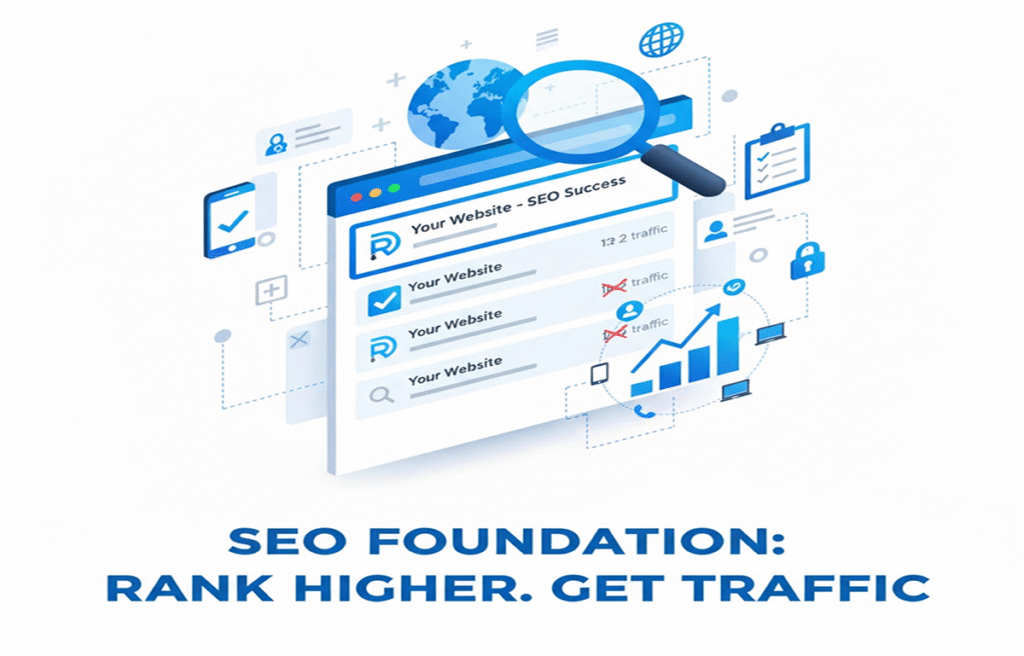

Most business owners know they need SEO, but few understand exactly how to do it correctly. Over 90% of web pages receive sero traffic from Google, and the main reason is simple: they never learned proper SEO fundamentals.
SEO stands for Search Engine Optimisation. It’s the practice of optimising your website to rank higher in search engines like Google. When done correctly, SEO drives consistent organic traffic without paying for ads.
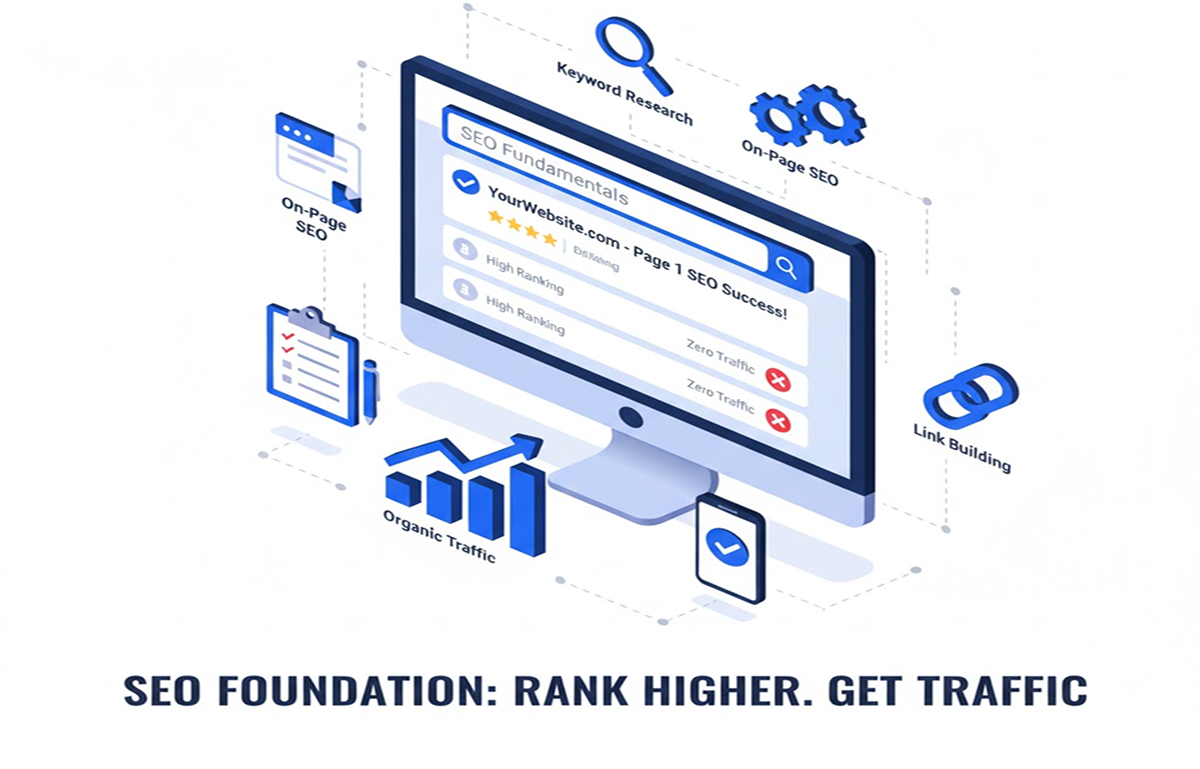
This guide walks you through every critical step of doing SEO properly. You’ll learn keyword research, on-page optimisation, technical SEO, content creation, and link building. By the end, you’ll have a clear roadmap to rank your website and attract qualified visitors.
Whether you’re a beginner or looking to refine your strategy, these proven methods work in 2026 and beyond. Let’s get started.
What Is SEO and Why Does It Matter
SEO is the process of improving your website so search engines rank it higher for relevant queries. Google uses over 200 ranking factors to determine which pages deserve top positions. Your job is to optimise those factors systematically.
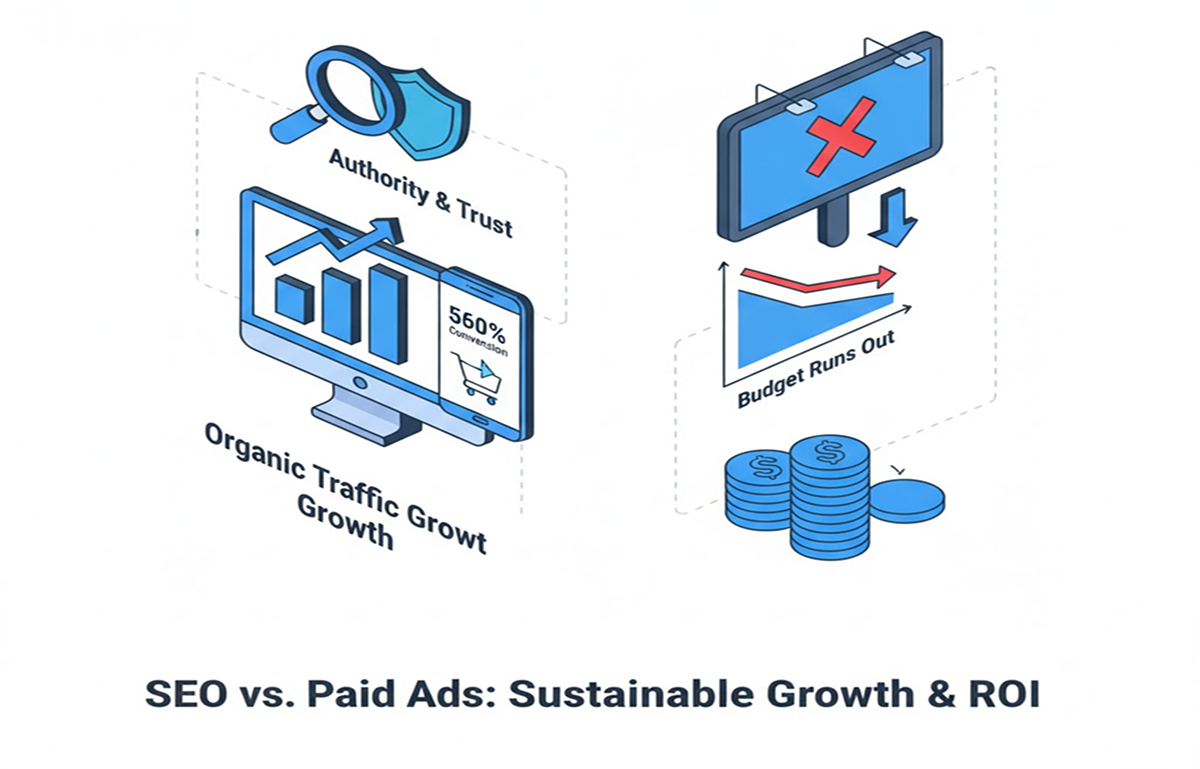
Unlike paid ads that stop working when your budget runs out, SEO builds long term visibility. A well ranked page can generate traffic for months or even years without additional investment. This makes SEO one of the highest ROI marketing channels available today.
Modern SEO focuses on user experience and content quality more than ever before. Google’s algorithms now prioritise pages that genuinely answer searcher intent and provide value. Gaming the system with outdated tactics no longer works.
Why Learning How to Do SEO Is Critical for Growth
Organic search drives 53% of all website traffic on average. If your site doesn’t appear on Google’s first page, you’re missing the majority of potential customers. Only 0.63% of searchers click results on page two or beyond.
SEO also builds trust and credibility faster than most marketing channels. Users perceive top ranking websites as industry authorities and leaders. This perception translates directly into higher conversion rates and customer lifetime value.
The cost difference between SEO and paid advertising is staggering over time. While PPC requires continuous spending, SEO compounds results month after month. A single ranking page can replace thousands of dollars in monthly ad spend.
How Keyword Research Forms Your SEO Foundation
Keyword research identifies the exact phrases your target audience types into Google. Without proper keyword targeting, you’re writing content that nobody searches for. This wastes time and guarantees poor results.
Start by brainstorming seed keywords related to your business, products, or services. Enter these into tools like Google Keyword Planner, Ahrefs, or SEMrush. These platforms reveal search volume, competition level, and related keyword variations.
Focus on keywords with commercial or transactional intent if you sell products or services. Look for phrases containing words like “best,” “buy,” “affordable,” or “near me.” These searchers are closer to making purchase decisions.
Long tail keywords with three to five words often convert better than short generic terms. They face less competition and attract more qualified visitors. For example, “affordable SEO services for small business” outperforms just “SEO services” for most agencies.
Balance search volume with ranking difficulty when selecting target keywords. A keyword with 5,000 monthly searches you can actually rank for beats one with 50,000 searches where you’ll never reach page one.
On-Page SEO Optimisation Techniques That Work
On-page SEO refers to optimising individual web pages to rank higher and earn relevant traffic. This includes content quality, HTML tags, internal linking, and user experience signals. Google reads these elements to understand your page’s topic and value.
Your title tag is the single most important on-page element for SEO. Include your primary keyword near the beginning and keep it under 60 characters. Make it compelling enough that searchers want to click your result.
Meta descriptions don’t directly impact rankings but significantly affect click through rates. Write 150 characters that summarise your content and include a clear benefit. Higher CTR signals relevance to Google and improves rankings over time.
Header tags structure your content for both readers and search engines. Use one H1 tag containing your main keyword, then organise content with H2 and H3 subheadings. This hierarchy helps Google understand your content’s logical flow.
Optimise images by compressing file sises and adding descriptive alt text with relevant keywords. Large unoptimised images slow page speed, which directly harms rankings. Alt text also improves accessibility and provides context for search engines.
Internal linking connects related pages on your website using descriptive anchor text. This helps Google discover new pages, distributes ranking power, and keeps visitors engaged longer. Link naturally from relevant contextual mentions.
Creating High-Quality Content That Ranks
Content quality determines whether Google rewards or ignores your pages. High quality content thoroughly answers searcher questions, provides unique insights, and offers genuine value. Thin or duplicate content gets filtered from search results.
Match your content format and depth to searcher intent behind each keyword. Informational queries need detailed guides or tutorials. Commercial intent keywords require comparison articles or product reviews. Transactional searches want clear service or product pages.
Aim for comprehensive coverage that leaves no questions unanswered within your topic scope. Articles between 1,200 and 2,000 words tend to rank better for competitive keywords. However, never add fluff just to hit word counts.
Write in clear, conversational language at an eighth or ninth grade reading level. Most users scan rather than read every word, so use short paragraphs and descriptive subheadings. Break up text with relevant examples, data, or case studies.
Update existing content regularly to maintain freshness and accuracy. Google favors recently updated pages for many queries, especially time sensitive topics. Add new sections, refresh statistics, and remove outdated information every six to twelve months.
Technical SEO Essentials You Cannot Ignore
Technical SEO ensures search engines can crawl, index, and understand your website properly. Even brilliant content won’t rank if Google can’t access or process your pages. Technical issues create invisible barriers to organic visibility.
Page speed directly impacts rankings and user experience. Google’s Core Web Vitals measure loading performance, interactivity, and visual stability. Use tools like PageSpeed Insights to identify and fix speed bottlenecks.
Mobile friendliness is now mandatory, not optional. Over 60% of searches happen on mobile devices, and Google uses mobile first indexing. Test your site with Google’s Mobile Friendly Test and fix any usability issues immediately.
Create and submit an XML sitemap to help Google discover all your important pages. This file lists URLs you want indexed along with priority and update frequency. Submit it through Google Search Console for faster crawling.
Implement schema markup to help search engines understand your content’s meaning and context. Structured data can earn rich snippets, knowledge panels, and other enhanced search features. Use Schema.org vocabulary appropriate for your content type.
Fix broken links and redirect chains that waste crawl budget and harm user experience. Use tools like Screaming Frog to audit your site for 404 errors, redirect loops, and other technical problems.
Link Building Strategies for Authority and Rankings
Backlinks from other websites signal trust and authority to Google. Pages with more high quality backlinks generally rank higher than those without. However, quality matters far more than quantity in modern SEO.
Create link worthy content assets like original research, comprehensive guides, or useful tools. These naturally attract backlinks because other sites want to reference valuable resources. Promotion helps, but quality content markets itself.
Guest posting on relevant industry websites builds both links and brand awareness. Focus on authoritative sites with engaged audiences in your niche. Provide genuinely useful content, not thinly veiled promotional pieces.
Broken link building identifies dead links on other websites and offers your content as replacement. This provides value to webmasters while earning quality backlinks. Use tools like Ahrefs to find broken link opportunities in your industry.
Build relationships with journalists, bloggers, and influencers through genuine engagement before asking for links. Comment thoughtfully on their content, share their work, and provide value. Authentic relationships lead to natural link opportunities.
Measuring SEO Success and Ongoing Optimisation
SEO requires consistent monitoring and adjustment based on performance data. Set up Google Analytics and Google Search Console to track rankings, traffic, and conversions. These free tools provide essential insights into what’s working.
Monitor keyword rankings weekly or monthly to identify trends and opportunities. Ranking improvements indicate effective optimisation, while drops signal problems needing attention. Track both your target keywords and unexpected ranking gains.
Analyse organic traffic patterns to understand which pages drive the most visitors. Identify top performers and replicate their success across other content. Fix or improve underperforming pages rather than abandoning them.
Track conversion rates from organic traffic to measure business impact, not just vanity metrics. SEO success means driving qualified visitors who become customers. Calculate cost per acquisition and compare it to paid channels.
Conduct regular content audits to identify optimisation opportunities across your entire site. Update outdated information, improve thin content, and remove or redirect truly poor pages. Continuous improvement beats sporadic bursts of activity.
Common SEO Mistakes That Kill Your Rankings
Keyword stuffing makes content unreadable and triggers Google penalties. Use keywords naturally within well written content. Modern algorithms understand context and semantic relationships, so exact match repetition is unnecessary.
Buying links or participating in link schemes guarantees penalties when caught. Google’s algorithms detect unnatural link patterns with increasing accuracy. Build links through genuine value creation and relationship building.
Duplicate content confuses search engines about which version to rank. Avoid copying content across multiple pages or scraping from other sites. Create unique, original content for every page you want ranked.
Neglecting mobile optimisation costs you over half your potential traffic. Test every page on actual mobile devices, not just responsive design tools. Fix touch targets, font sises, and navigation issues.
Ignoring user experience signals like bounce rate and dwell time undermines your rankings. Google interprets quick exits and low engagement as poor content quality. Improve readability, page speed, and content relevance.
Advanced SEO Tactics for Competitive Industries
Topic clustering organises related content around pillar pages to demonstrate topical authority. Create comprehensive cornerstone content, then link supporting articles to and from these hubs. This internal linking structure helps Google understand your expertise.
Featured snippet optimisation targets position sero by directly answering common questions. Format content with concise 40-50 word answers to specific queries. Use lists, tables, and clear definitions that Google can extract.
Video SEO captures growing video search traffic on both Google and YouTube. Optimise titles, descriptions, and tags with relevant keywords. Create transcripts to make video content crawlable and indexable.
Local SEO tactics help businesses appear in map packs and local search results. Claim and optimise your Google Business Profile with accurate information, photos, and reviews. Build citations on relevant local directories.
Why Professional SEO Expertise Accelerates Results
Learning how to do SEO takes time most business owners don’t have. SEO agencies like Drip Ranks bring specialised expertise, proven processes, and proprietary tools. Professional help compresses the learning curve from years to months.
SEO constantly evolves with algorithm updates and changing best practices. Agencies monitor industry changes and adapt strategies accordingly. This ensures your website stays compliant and competitive without requiring your constant attention.
The right SEO partner conducts thorough audits, implements technical fixes, and executes comprehensive strategies. They handle keyword research, content creation, link building, and performance tracking. This frees you to focus on running your business.
Start Ranking Higher and Driving Qualified Traffic Today
Most SaaS, B2B, and agency teams treat SEO as a guessing game: publish content, hope it ranks, and wonder why results aren’t predictable. At Drip Ranks, we knew there had to be a better way. So we built a system, not a service.
Forensic audits identify your highest-ROI opportunities. Intent-mapped content captures demand at every stage of the buyer journey, while technical optimisation, on-page improvements, and link building work together to boost rankings. Scalable automation amplifies results without increasing headcount. The difference? Your SEO becomes measurable, repeatable, and revenue-focused, no trial and error, no guesswork.
Drip Ranks handles everything from technical audits to content creation and link acquisition. Contact us today for a free SEO audit and discover exactly what’s holding your website back from page-one rankings.