

Introduction
Over 68% of online experiences begin with a search engine, yet most businesses struggle to appear on the first page of Google. Without proper optimisation, your website remains invisible to potential customers actively searching for your products or services. This creates a massive gap between what you offer and who needs it most.
Search Engine Optimization has transformed from a technical luxury into a business necessity. Modern consumers research online before making purchase decisions, and if your competitors rank above you, they capture the leads and sales. Understanding what SEO truly means and how to implement it correctly can determine whether your business thrives or disappears online.
This complete guide breaks down everything you need to know about SEO in 2025. You’ll discover how search engines work, why optimisation matters for revenue growth, and proven strategies that deliver measurable results. Whether you’re a complete beginner or looking to refine your approach, you’ll gain actionable insights to start ranking higher immediately.
The digital landscape rewards websites that provide genuine value while following search engine guidelines. By the end of this guide, you’ll understand the core principles that separate top-ranking sites from those buried on page ten.
What is SEO?
SEO stands for Search Engine Optimization, which involves optimizing your website to rank higher in search engine results pages for relevant queries. When someone searches for a product, service, or information on Google, Bing, or other search engines, SEO determines which websites appear first and how prominently they display.
The practice combines technical website improvements, content creation, and authority building to signal to search engines that your site deserves visibility. Unlike paid advertising where you buy placement, SEO focuses on earning organic rankings through quality and relevance. This makes it a sustainable, long-term strategy for attracting targeted traffic without ongoing ad spending.
Modern SEO extends beyond just keywords and meta tags to include user experience, mobile responsiveness, page speed, and content depth. Search engines have become sophisticated enough to evaluate whether your content truly answers user questions and provides a satisfying experience. This shift means successful SEO now requires genuine expertise in your field and commitment to serving your audience well.
Why SEO Matters for Your Business
SEO directly impacts your bottom line by connecting your business with people actively searching for what you offer. Organic search drives 53% of all website traffic, making it the single largest source of visitors for most businesses. When potential customers find you through search engines, they arrive with high intent and are more likely to convert than cold traffic.
The financial benefits compound over time as your rankings improve and content library grows. Unlike paid ads that stop generating traffic the moment you pause spending, SEO builds cumulative value. A single well-optimized article can attract thousands of visitors monthly for years, delivering returns that far exceed the initial investment in content creation and optimization.
Search visibility also establishes credibility and trust with your target audience. Studies show that 75% of users never scroll past the first page of search results, and top-ranking positions receive click-through rates exceeding 30%. When your business consistently appears for relevant searches, it positions you as an industry authority and keeps you top-of-mind throughout the customer journey.
How Search Engines Work
Search engines use automated programs called crawlers or spiders to discover and index billions of web pages across the internet. These bots follow links from page to page, collecting information about content, structure, and relationships between sites. Google’s crawler, Googlebot, constantly scans the web to find new pages and update its massive index.
Once pages are discovered, search engines analyze and store information about each page in their index database. This process evaluates hundreds of factors including content quality, keyword relevance, page speed, mobile usability, and backlink profiles. The index serves as a library that search engines query instantly when users enter search terms.
When someone performs a search, algorithms rapidly scan the index to identify the most relevant and authoritative pages. Ranking algorithms consider user intent, content freshness, geographic location, search history, and over 200 other signals to determine result order. These algorithms update frequently, with Google making thousands of changes annually to improve result quality and combat manipulation.
Core Components of SEO Strategy
On-page SEO focuses on optimizing individual web pages to rank higher and earn more relevant traffic. This includes crafting compelling title tags, writing descriptive meta descriptions, using header tags properly, and naturally incorporating target keywords. Content quality remains the foundation, with comprehensive, well-researched articles outperforming thin, keyword-stuffed pages.
Technical SEO ensures search engines can crawl, index, and understand your site efficiently. This involves optimizing site speed, implementing proper URL structures, creating XML sitemaps, and fixing broken links or redirect chains. Mobile responsiveness has become non-negotiable, as Google now uses mobile-first indexing for all websites.
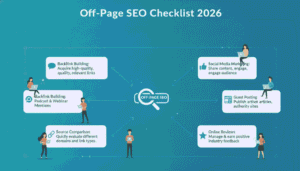
Off-page SEO builds your site’s authority and reputation through external signals like backlinks and brand mentions. When reputable websites link to your content, search engines view it as a vote of confidence in your expertise. Social signals, online reviews, and consistent business citations across directories also contribute to your overall authority and local search visibility.
Proven SEO Best Practices
Conduct thorough keyword research to identify terms your target audience actually uses when searching for your offerings. Tools like Google Keyword Planner, Ahrefs, and SEMrush reveal search volume, competition levels, and related terms. Focus on topics where you can provide unique value rather than chasing high-volume keywords dominated by established competitors.
Create content that comprehensively answers user questions and solves real problems they face. Search engines reward depth and expertise, so aim for articles that cover topics thoroughly rather than superficially. Include examples, case studies, and actionable steps that readers can implement immediately to demonstrate practical value.
Build high-quality backlinks through guest posting, digital PR, and creating linkable assets like original research or comprehensive guides. Avoid black-hat tactics like buying links or participating in link schemes, which can result in severe penalties. Natural link acquisition happens when you consistently publish exceptional content that others want to reference and share.
Optimize page speed by compressing images, enabling browser caching, and minimizing unnecessary code. Google considers page experience a ranking factor, and users abandon slow-loading sites within seconds. Use tools like Google PageSpeed Insights to identify specific improvements that will enhance both search performance and user satisfaction.
Common SEO Mistakes to Avoid
Keyword stuffing remains one of the most frequent errors, where creators unnaturally force keywords into content multiple times. Modern algorithms easily detect this manipulation and penalize sites that prioritize keywords over readability. Write naturally for humans first, incorporating keywords only where they fit contextually and enhance understanding.
Ignoring mobile optimization puts your site at a significant disadvantage since mobile searches now exceed desktop queries globally. Responsive design ensures your content displays properly across all devices and screen sizes. Test your site regularly on various devices to identify layout issues, slow load times, or navigation problems that frustrate mobile users.
Neglecting local SEO costs businesses thousands of potential customers who search for nearby services and products. Claiming and optimizing your Google Business Profile, maintaining consistent NAP information across directories, and earning local reviews dramatically improve visibility for geographic searches. Location-specific content and local backlinks further strengthen your regional authority.
Duplicating content across multiple pages confuses search engines about which version to rank and dilutes your authority. Create unique, valuable content for each page that serves a specific purpose and targets distinct keywords. Use canonical tags when necessary to indicate preferred versions of similar content.
Essential SEO Tools and Resources
Google Search Console provides invaluable data about how Google views your site, including indexing status, search queries driving traffic, and technical issues requiring attention. This free tool alerts you to security problems, mobile usability errors, and manual penalties. Regular monitoring helps you identify optimisation opportunities and track performance improvements over time.
Keyword research platforms like Ahrefs, SEMrush, and Moz offer comprehensive data on search volume, keyword difficulty, and competitor strategies. These tools reveal content gaps, backlink opportunities, and technical SEO issues that might otherwise go unnoticed. While premium subscriptions carry costs, the insights they provide typically generate returns that justify the investment.
Analytics platforms track user behavior, conversion paths, and content performance to inform optimization decisions. Google Analytics 4 shows how visitors find your site, which pages they engage with, and where they drop off. Combining analytics data with Search Console metrics creates a complete picture of your SEO performance and areas needing improvement.
Page speed testing tools like GTmetrix, Pingdom, and Google PageSpeed Insights identify specific technical factors slowing your site. These platforms provide actionable recommendations for reducing load times, from image compression to server response optimisation. Faster sites rank better and convert more visitors into customers.
Advanced SEO Strategies for 2025
Voice search optimisation requires adapting content to conversational queries and question-based searches. With smart speakers and voice assistants becoming ubiquitous, optimize for natural language phrases rather than short keywords. Featured snippets and position zero results often serve voice search answers, making snippet optimization crucial.
Entity-based SEO focuses on helping search engines understand the people, places, and concepts your content covers. Structured data markup using Schema.org vocabulary signals entity relationships and enhances how your content appears in results. This approach aligns with how modern algorithms process semantic meaning rather than just matching keywords.
Video SEO captures traffic from YouTube, the world’s second-largest search engine, and improves engagement on your website. Optimise video titles, descriptions, and transcripts with target keywords while creating genuinely valuable visual content. Embedding videos on relevant pages increases dwell time, which correlates with improved rankings.
Topical authority involves becoming the go-to resource for specific subjects rather than covering unrelated topics superficially. Create comprehensive content clusters around core themes, linking related articles to demonstrate expertise depth. Search engines increasingly reward sites that prove specialized knowledge over generalist content mills.
Final Words
SEO represents one of the most cost-effective marketing strategies available, delivering compounding returns as your content library and authority grow. The fundamentals remain consistent even as algorithms evolve, focusing on providing genuine value, earning trust, and creating exceptional user experiences. Success requires patience, consistent effort, and willingness to adapt to changing best practices.
Starting your SEO journey today positions your business for sustainable growth and visibility in an increasingly competitive digital marketplace. The strategies outlined in this guide provide a solid foundation for ranking higher, attracting qualified traffic, and converting visitors into customers. Remember that SEO is a marathon, not a sprint, with the most significant results appearing after months of dedicated optimisation.
Ready to dominate search results and grow your organic traffic? Drip Ranks specializes in data-driven SEO strategies that deliver measurable results for businesses across all industries. Our team of experts handles everything from technical audits to content creation and link building, so you can focus on running your business. Contact Drip Ranks today for a comprehensive SEO audit and discover exactly what’s holding your site back from first-page rankings.